Bipartisan Opposition Mounts Against Federal Colorado River Water Cuts in Arizona

The U.S. Bureau of Reclamation has released a final environmental impact statement detailing steep water allocation cuts for the Lower Colorado River Basin, sparking bipartisan pushback from Arizona officials. The federal plan aims to address dwindling water levels in Lake Powell and Lake Mead by reducing releases and adjusting allocations for Arizona and Nevada. While the administration argues these measures are necessary for long-term sustainability, local leaders contend the cuts disproportionately target Arizona. The move highlights escalating tensions between federal agencies and Western states over the management of critical water resources amid persistent drought conditions.
This summary was generated by PolitGlobe's AI pipeline from publicly available reporting at Google News. For the full original article, visit the source below.
Read full article at Google NewsRelated coverage

India Supreme Court Rules on Adultery and Maintenance Claim Eligibility
The Supreme Court of India has clarified that a spouse found to be living in adultery is ineligible to claim maintenance. However, the court emphasized that such allegations must be substantiated by clear and convincing evidence rather than mere suspicion. While addressing the use of private investigators to gather evidence of infidelity, the bench expressed concerns regarding privacy and the lack of regulation in the investigative industry. Consequently, the court urged the government to establish a formal legal framework to regulate private investigators, ensuring that evidence collection methods do not violate constitutional rights or ethical standards.

Systemic Challenges and Forced Sex Work in Madhya Pradesh’s Banchhada Community
The Banchhada community in Madhya Pradesh continues to face severe marginalization due to a long-standing practice of forcing daughters into sex work to support their families. Historically labeled a ‘criminal tribe’ by British colonial authorities and currently recognized as a Scheduled Caste, the community prioritizes the upbringing of girls over boys specifically for this exploitative purpose. Despite various interventions from the government and non-governmental organizations, breaking this cycle of exploitation remains a significant challenge. The report highlights the social and economic complexities that keep the Banchhadas on the fringes of Indian society while their daughters face systemic abuse.
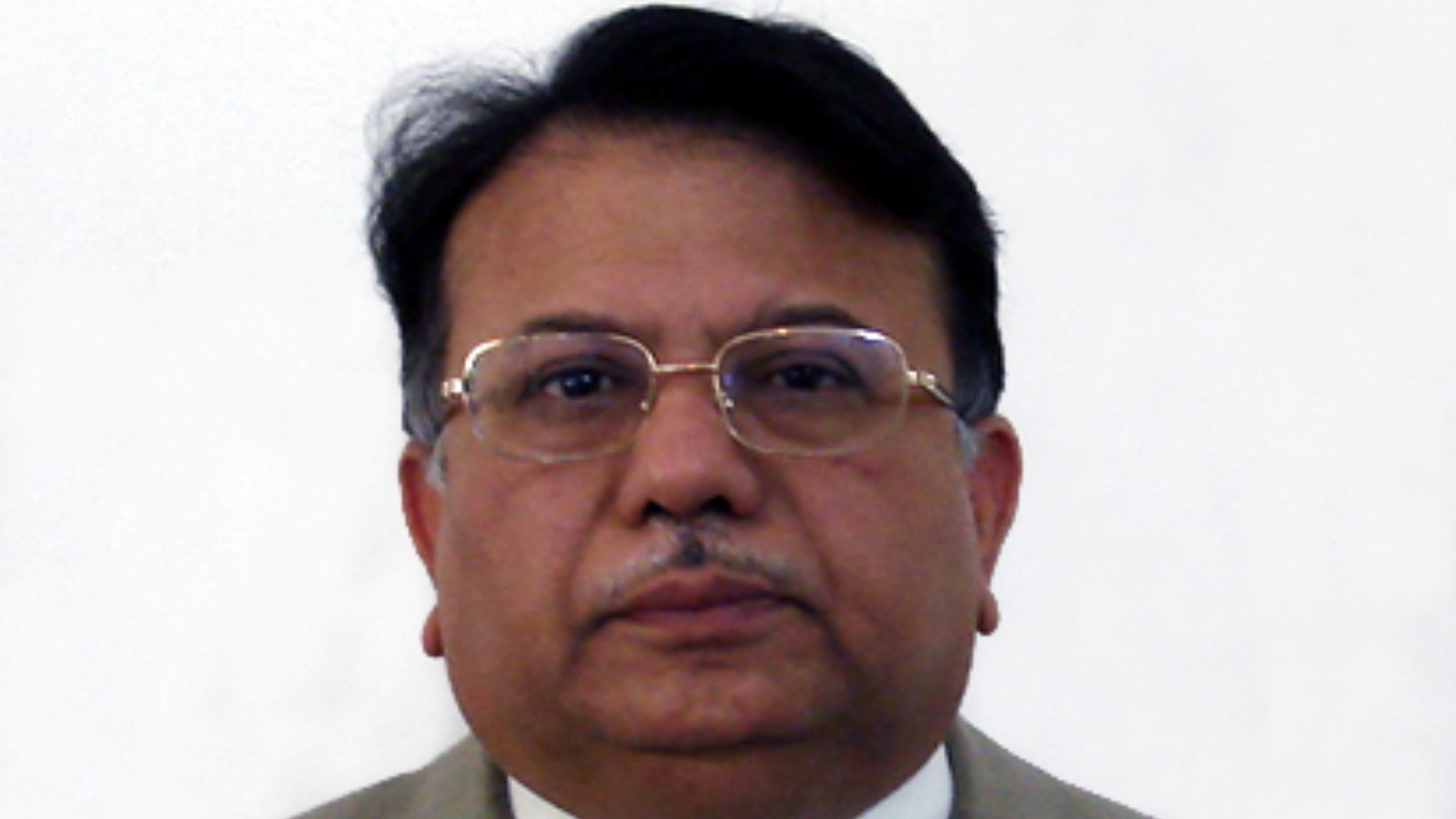
Former Delhi High Court Chief Justice Warns of Misused Laws to Silence Dissent
Former Delhi High Court Chief Justice Ajit Prakash Shah has expressed significant concern regarding the increasing use of legal frameworks to suppress activists and dissenting voices in India. Speaking at a recent event, the former jurist highlighted how various legislative tools are being deployed to curtail free speech and democratic engagement. Justice Shah emphasized the necessity of protecting constitutional rights and warned that the weaponization of the law threatens the foundational principles of Indian democracy. His remarks underscore a growing debate within the legal community regarding the balance between national security laws and individual civil liberties.
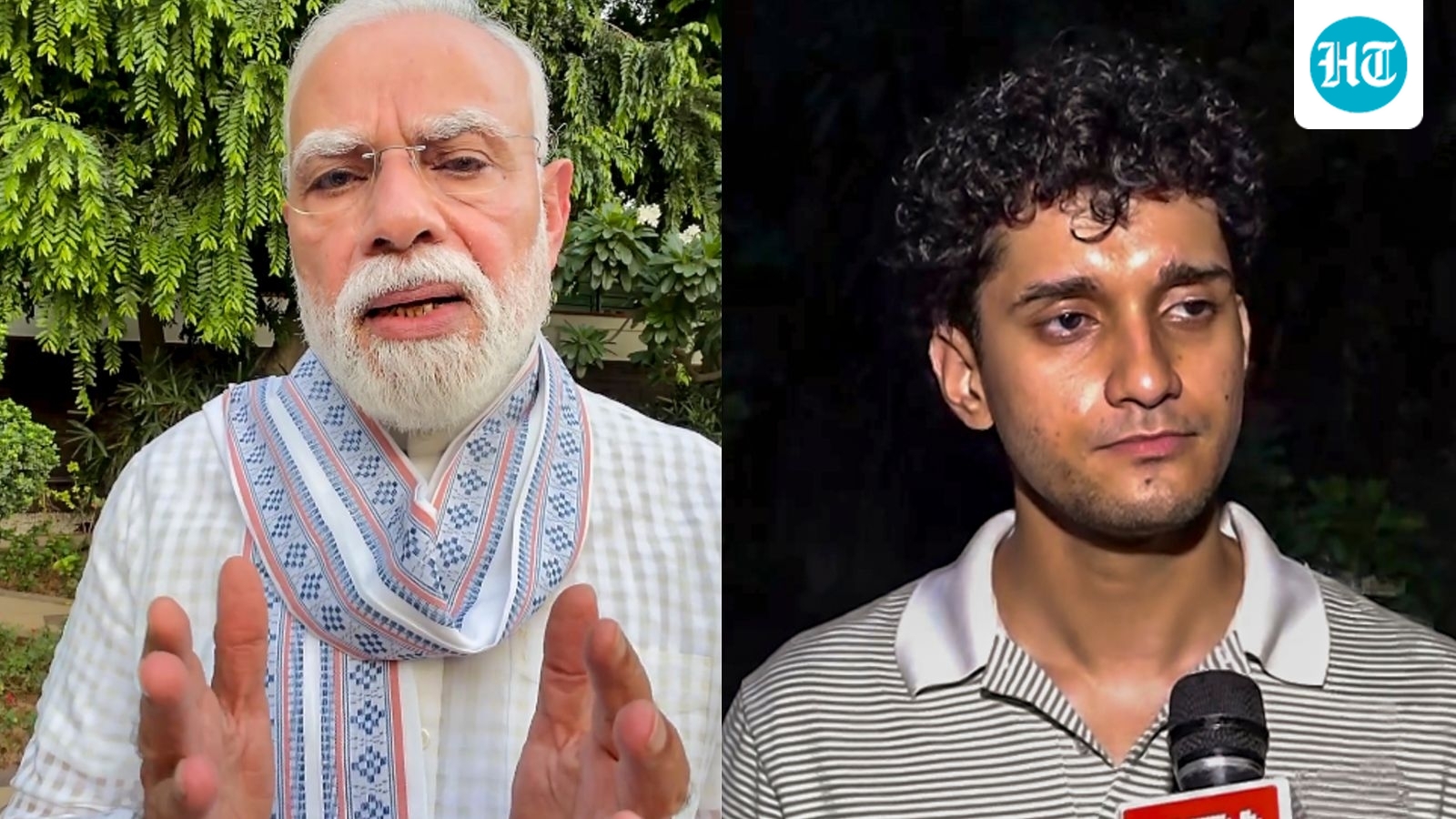
Chief Justice Questions Criminality of Abusive Remarks Against Prime Minister
The Chief Justice of India recently addressed the registration of a zero FIR in Noida against a woman accused of using abusive language toward Prime Minister Narendra Modi. The incident occurred during a protest regarding the NEET paper leak controversy. The judicial remarks questioned the legal threshold for criminalizing verbal abuse in such a context, sparking a debate on the boundaries of free speech and legal action against political dissenters. The case underscores ongoing tensions regarding the use of police power to regulate speech directed at high-ranking government officials during public demonstrations.