Systemic Challenges and Forced Sex Work in Madhya Pradesh’s Banchhada Community

The Banchhada community in Madhya Pradesh continues to face severe marginalization due to a long-standing practice of forcing daughters into sex work to support their families. Historically labeled a ‘criminal tribe’ by British colonial authorities and currently recognized as a Scheduled Caste, the community prioritizes the upbringing of girls over boys specifically for this exploitative purpose. Despite various interventions from the government and non-governmental organizations, breaking this cycle of exploitation remains a significant challenge. The report highlights the social and economic complexities that keep the Banchhadas on the fringes of Indian society while their daughters face systemic abuse.
This summary was generated by PolitGlobe's AI pipeline from publicly available reporting at The Hindu. For the full original article, visit the source below.
Read full article at The HinduRelated coverage
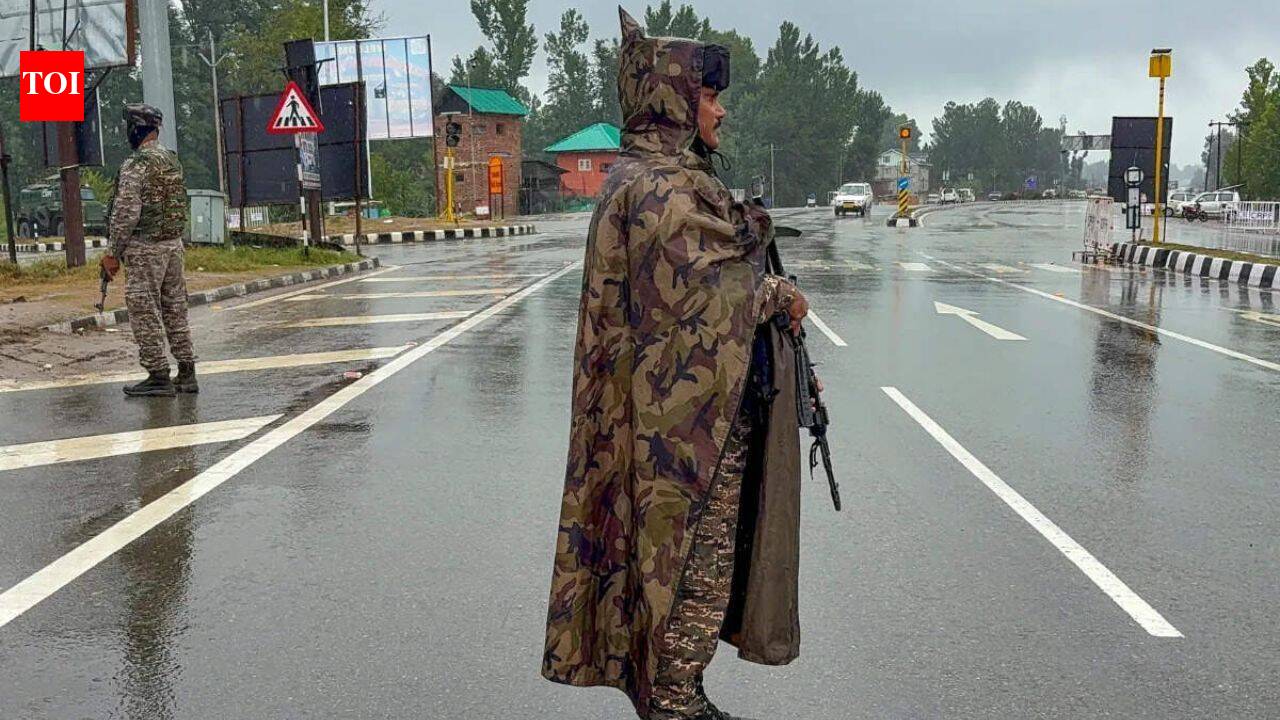
Two Migrant Workers From Chhattisgarh Killed in Jammu and Kashmir Terror Attack
Two migrant laborers from Chhattisgarh were killed following a terrorist attack in Jammu and Kashmir, marking the first such incident involving migrants in the region in 21 months. The victims, identified as Deepak Ratray and Bopinder, both in their twenties, were shot by unidentified assailants. Ratray died shortly after the attack, while Bopinder succumbed to his injuries after being transferred to SKIMS Hospital in Soura for specialized treatment. Local officials confirmed the victims had traveled to the region for employment. Security forces have launched an investigation into the targeted killings.

India Supreme Court Rules on Adultery and Maintenance Claim Eligibility
The Supreme Court of India has clarified that a spouse found to be living in adultery is ineligible to claim maintenance. However, the court emphasized that such allegations must be substantiated by clear and convincing evidence rather than mere suspicion. While addressing the use of private investigators to gather evidence of infidelity, the bench expressed concerns regarding privacy and the lack of regulation in the investigative industry. Consequently, the court urged the government to establish a formal legal framework to regulate private investigators, ensuring that evidence collection methods do not violate constitutional rights or ethical standards.

Indian Indices End July with Strong Gains on Robust Earnings
Indian stock markets concluded the month of July on a high note, marking their best monthly performance in three months. The Nifty and Sensex both recorded significant gains, fueled by better-than-expected corporate earnings reports. These strong financial results helped investors overlook concerns regarding volatile global oil prices. For the final week of July, the major indices jumped over 2.5%, reflecting strong domestic sentiment and steady capital inflows into the Indian equity market.
SEBI Closes Proceedings Against Religare Enterprises and Former Chairperson
The Securities and Exchange Board of India (SEBI) has disposed of its case against Religare Enterprises and its former chairperson, Rashmi Saluja. The proceedings were originally initiated because the company allegedly failed to cooperate with a mandatory open offer from the Burman Group. Religare had previously raised concerns about the Burmans' eligibility. SEBI concluded that since the open offer has now been facilitated, no further regulatory directions or actions are required against the company or its officials.