Ladakh Reform Activist Sonam Wangchuk Enters Day 4 of Hunger Strike in Delhi
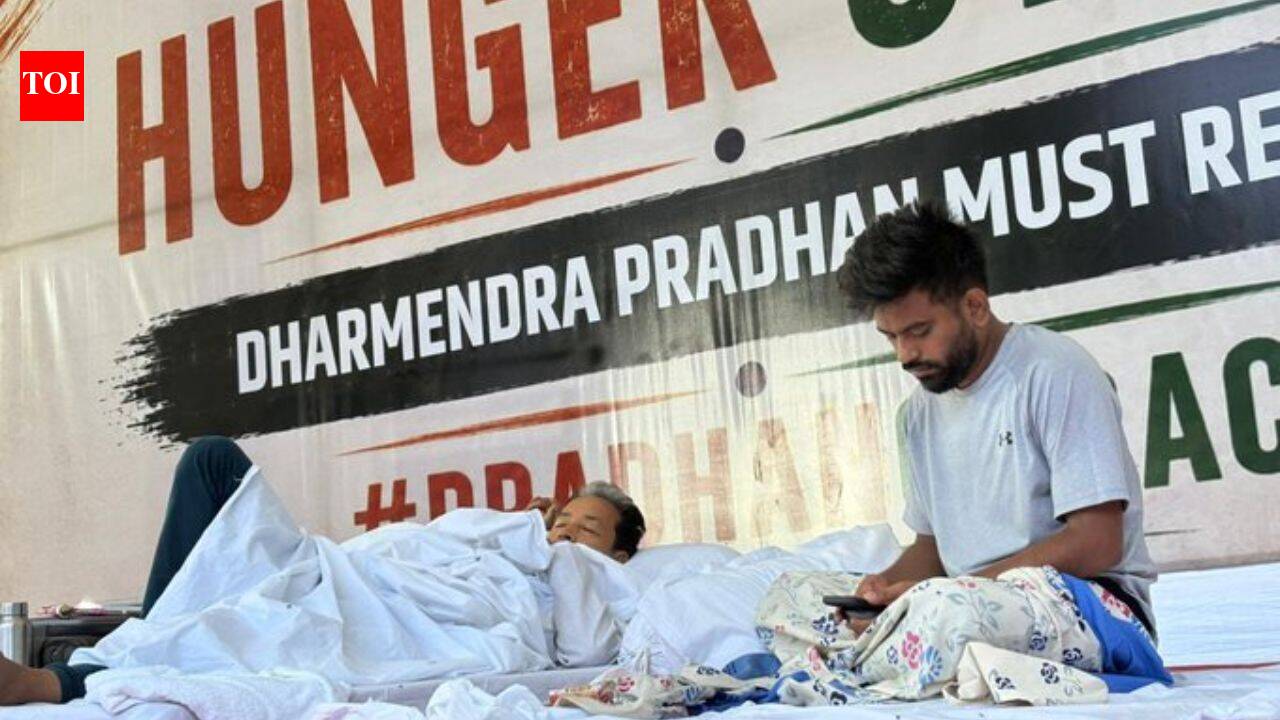
Environmental activist Sonam Wangchuk has reported a weight loss of two kilograms as his hunger strike enters its fourth day in New Delhi. Wangchuk is leading about 150 protesters from Ladakh who were recently released from police custody following their 'Delhi Chalo' march. The group is demanding a meeting with India's top leadership to discuss constitutional safeguards for Ladakh under the Sixth Schedule and statehood for the Union Territory. Despite deteriorating health conditions and cold weather, the activist remains committed to the protest, emphasizing the need for environmental protection and democratic representation for the Himalayan region.
This summary was generated by PolitGlobe's AI pipeline from publicly available reporting at Times of India. For the full original article, visit the source below.
Read full article at Times of IndiaRelated coverage

State Governments Balance Social Spending With Fiscal Deficits and Borrowing
Indian state governments face a complex task in managing fiscal health while maintaining high expenditure on essential social and economic sectors. The majority of state funding is allocated toward health, education, agriculture, and irrigation, which are critical for long-term development. Kerala serves as a primary example, where consistent public investment has fueled social progress since the 1960s. However, because revenue receipts often fall short of these ambitious expenditure goals, states must frequently bridge the financial gap through market borrowings. This reliance on debt necessitates a careful fiscal balancing act to ensure sustainable growth without compromising essential public utility services.
Haryana, Punjab, and Goa Lead Implementation of India's New Criminal Justice Laws
The states of Haryana, Goa, and Punjab have emerged as leaders in the national rollout of India’s three new criminal laws: the Bharatiya Nyaya Sanhita, Bharatiya Nagarik Suraksha Sanhita, and Bharatiya Sakshya Adhiniyam. These states have successfully modernized their judicial and policing infrastructure to align with the new legal framework which replaced colonial-era statutes. The implementation includes widespread training for police personnel and the integration of digital systems for forensic evidence and case management. Federal reports indicate these regions are successfully meeting transition deadlines, setting a benchmark for other states in the comprehensive overhaul of the country's criminal justice system.

Nayara Energy Reduces Petrol and Diesel Prices at Private Fuel Outlets
Nayara Energy, India’s largest private fuel retailer, has announced a price reduction of ₹5 per liter for petrol and ₹3 per liter for diesel. This move marks a significant shift in the domestic energy market, as the company has historically been quick to adjust prices in response to global geopolitical tensions, such as previous conflicts in the Middle East. The price cut is expected to provide some relief to consumers at the pump and heighten competition with state-run oil marketing companies. The decision reflects current domestic supply dynamics and the retailer's strategy to capture a larger market share in the retail fuel sector.

Kerala Government Announces Major Infrastructure Revamp for Vellayil Area
Chief Minister V.D. Satheesan has announced the allocation of significant funds for the redevelopment of Vellayil as part of the 2026–27 state budget. The initiative focuses on two major projects aimed at upgrading the physical infrastructure and public amenities in the region. These developments were outlined during the government's formal response to the budget presentation. The planning reflects the state's intent to revitalize urban pockets through targeted investment. Further details on the specific timelines and engineering scopes for these infrastructure upgrades are expected as the budgetary provisions are implemented across the upcoming fiscal cycle.