Can't exclude SC/ST creamy layer from quotas: Government to Supreme Court
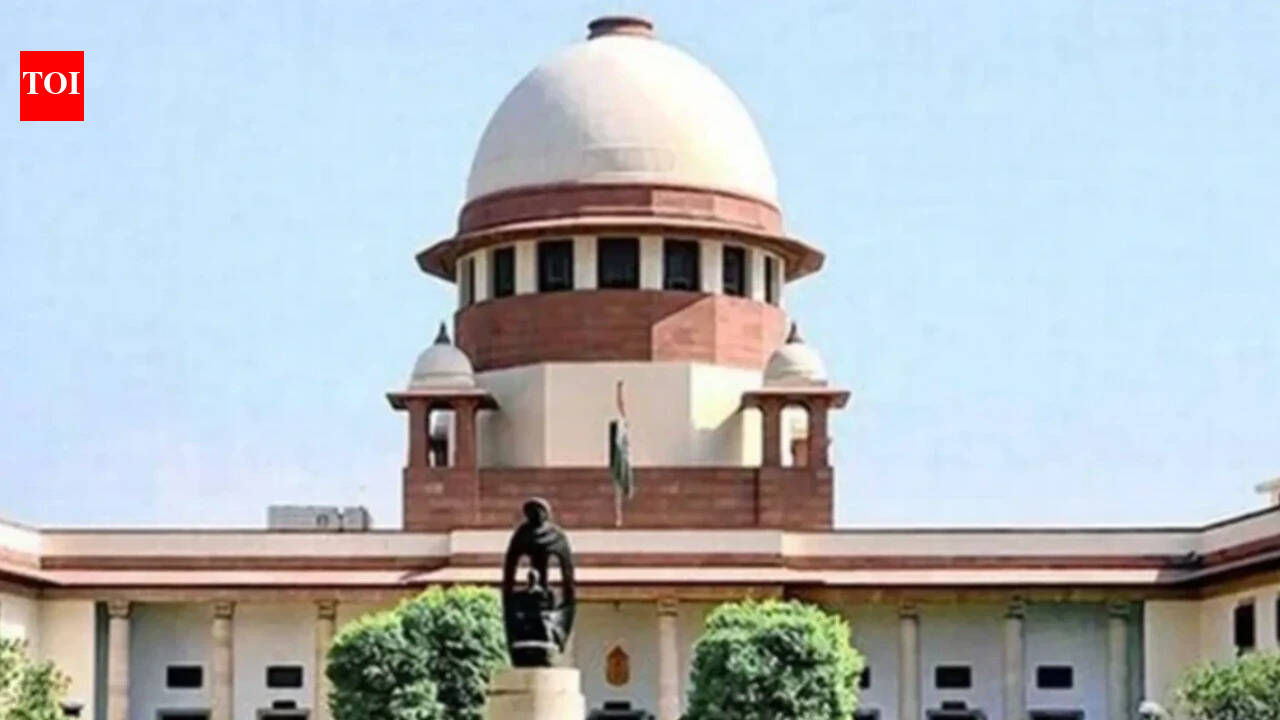
The government is against extending the creamy layer to SC and ST reservation benefits, emphasizing that the challenges these communities face are rooted in more than economic issues. Reservation serves to right historical wrongs and ensure equitable access. The Supreme Court has permitted states to categorize castes within SC groups, but only Parliament holds the power to amend the lists of SC and ST populations eligible for these allocations.
This summary was generated by PolitGlobe's AI pipeline from publicly available reporting at Times of India. For the full original article, visit the source below.
Read full article at Times of IndiaRelated coverage

Benjamin Netanyahu calls PM Narendra Modi, discusses West Asia crisis, India-Israel ties
Benjamin Netanyahu calls PM Narendra Modi, discusses West Asia crisis, India-Israel ties
3 rebel TMC MPs to meet Prime Minister today
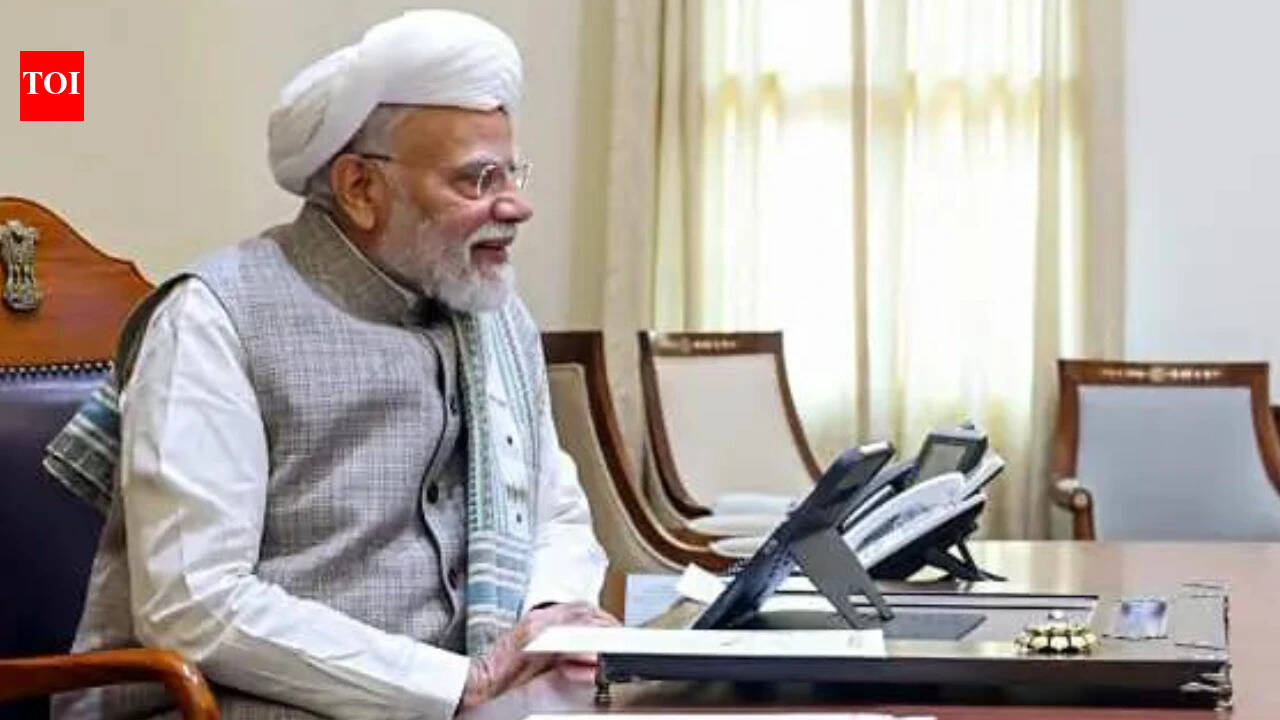
A trio of dissenting Trinamool MPs is set to engage with Prime Minister Narendra Modi following their earlier discussions with Union Minister Amit Shah related to pressing concerns. Notably, these lawmakers have distanced themselves from two NDA meetings. Additionally, other NCPI representatives and Shiv Sena MPs are expected to join them for a breakfast meeting with the Prime Minister on Friday morning.
Supreme Court happy with progress in talks in Sunjay Kapur case
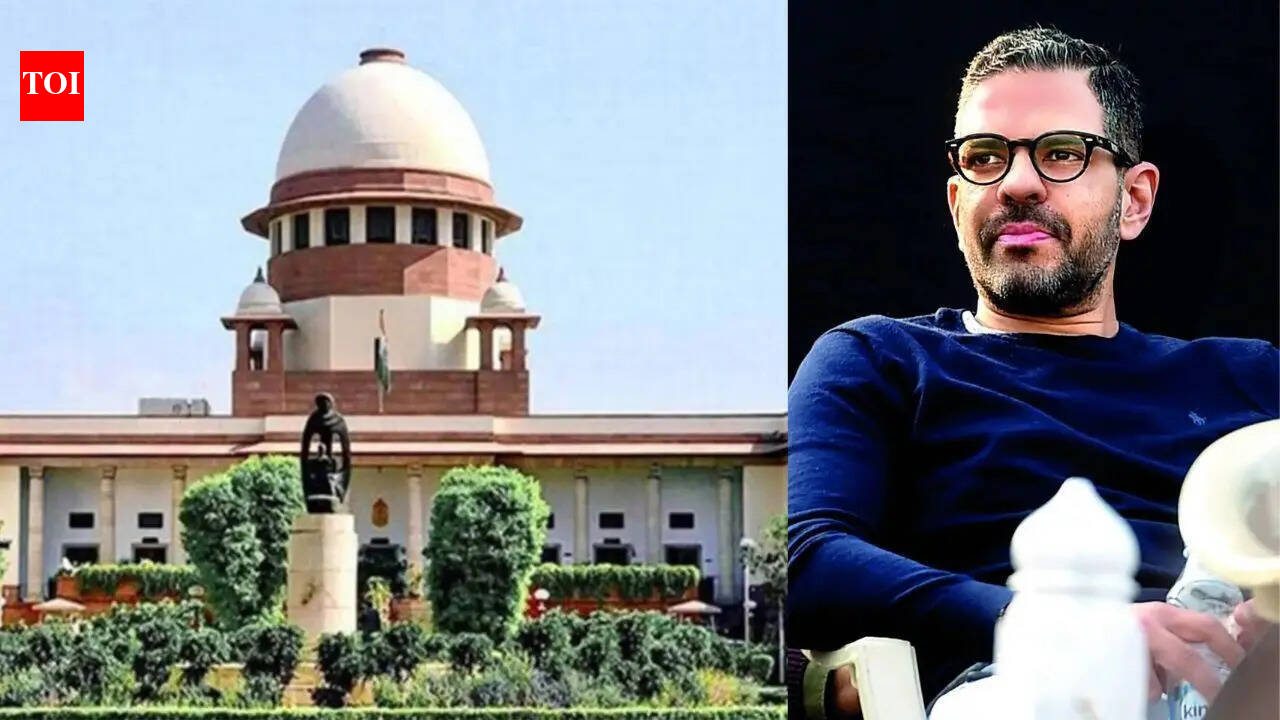
In an effort to resolve a high-profile family dispute, members are actively engaging in mediation under the supervision of ex-CJI DY Chandrachud, following a Supreme Court directive. So far, six sessions have taken place, where the parties have agreed to continue discussions. They are pursuing a comprehensive settlement related to trust claims, with mediation scheduled to run until November 2.
5.7 lakh people fined Rs 5.1 cr in 2025-26 for smoking in public
In India, over 570,000 individuals were fined for smoking in public spaces, accumulating penalties exceeding Rs 51 million under the COTPA legislation. Karnataka led the charge, issuing the most fines. Interestingly, several states recorded no violations or fines throughout the year. Enforcement primarily lies with state governments, highlighting the varying levels of adherence to the public smoking ban.