'Dangerous conspiracy' to vilify democracy: BJP
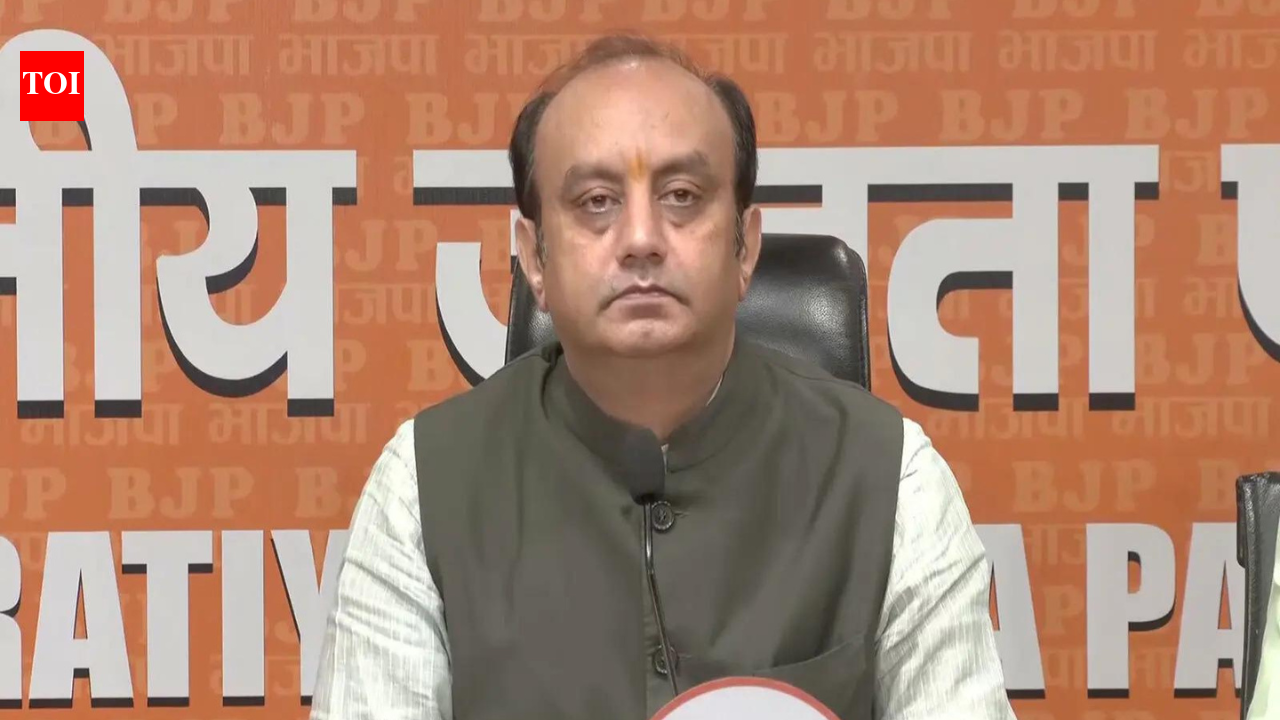
The BJP has strongly condemned opposition parties for their letter to the Chief Justice of India, labeling it a "dangerous conspiracy" to undermine Indian democracy and sow anarchy by targeting institutions. Party spokesperson Sudhanshu Trivedi accused the Congress of echoing Emergency-era tactics and attempting to attack democracy after failing to present factual arguments in court. He suggested this move stems from their fading hopes of seizing power.
This summary was generated by PolitGlobe's AI pipeline from publicly available reporting at Times of India. For the full original article, visit the source below.
Read full article at Times of IndiaRelated coverage
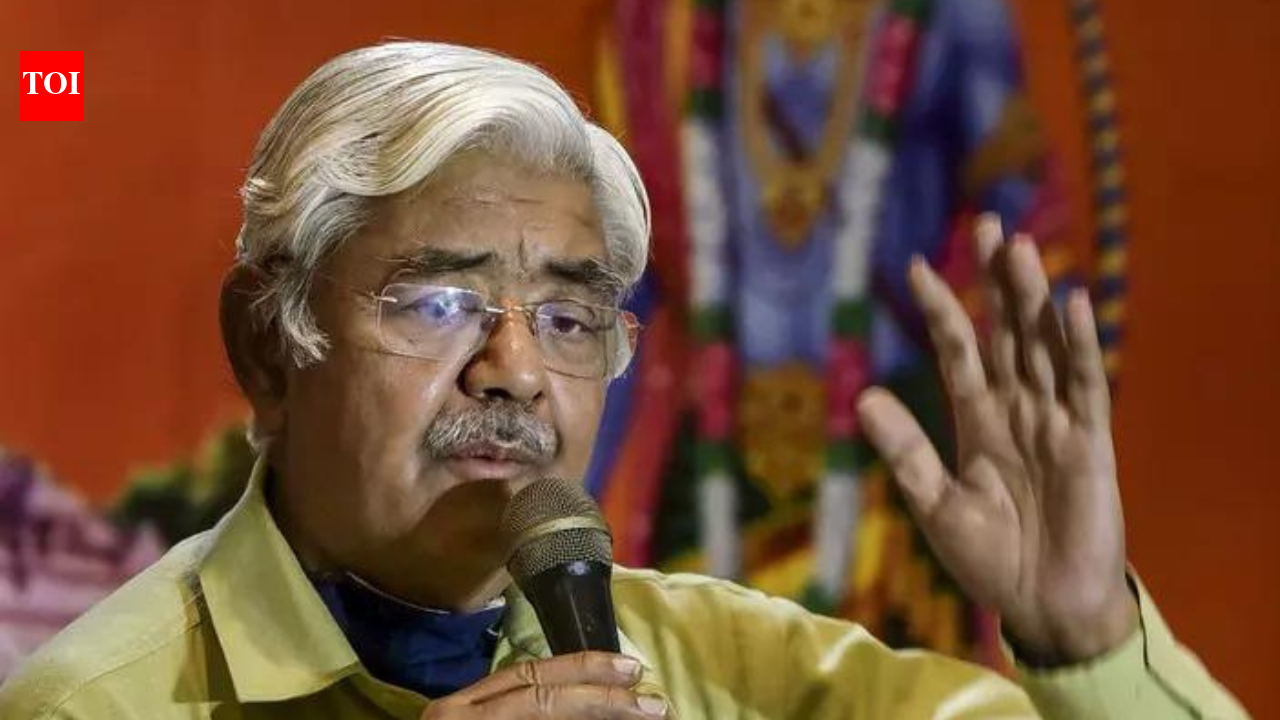
'No one is being shielded in Ayodhya donation case': VHP president Alok Kumar
A controversy surrounding alleged embezzlement of donations for the Ram Janmabhoomi Teerth Kshetra Trust has deeply affected Hindu sentiment and the trust's credibility. While the VHP asserts its role concluded with the Supreme Court verdict, calls for a thorough investigation, trial, and conviction are strong to restore faith. The VHP denies responsibility for individual actions, emphasizing that justice must prevail without sparing anyone.

Iran war live: Millions expected in Tehran for funeral of Ali Khamenei
Israeli attacks on Gaza continue with a child killed and another injured in a drone strike, according to civil defence.
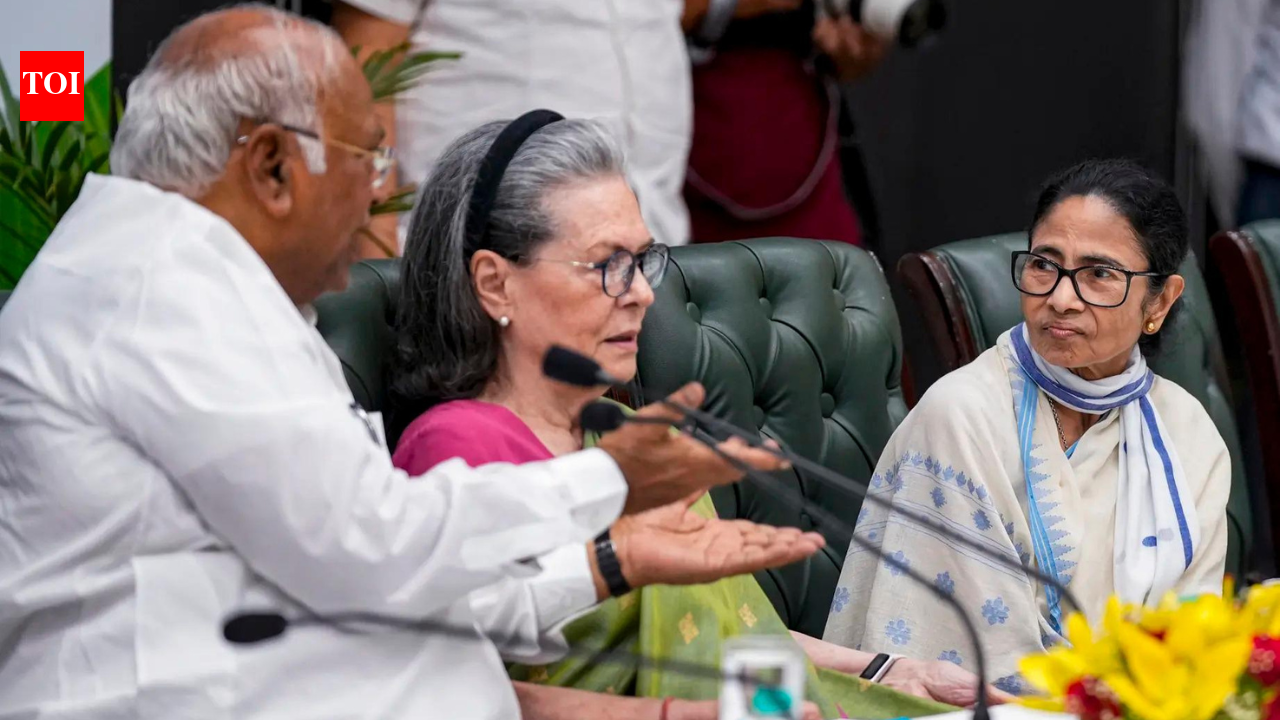
Govt fixing polls with EC's help: INDIA bloc to CJI
A united opposition has approached the Chief Justice of India, alleging that the current government is manipulating elections with a "biased" Election Commission. They've urged the suspension of electoral roll updates, citing concerns over EVMs and a desire to reinstate ballot papers. The INDIA bloc claims poll manipulation in recent elections and fears institutional failure, questioning where citizens can turn if even the judiciary cannot resolve these issues.
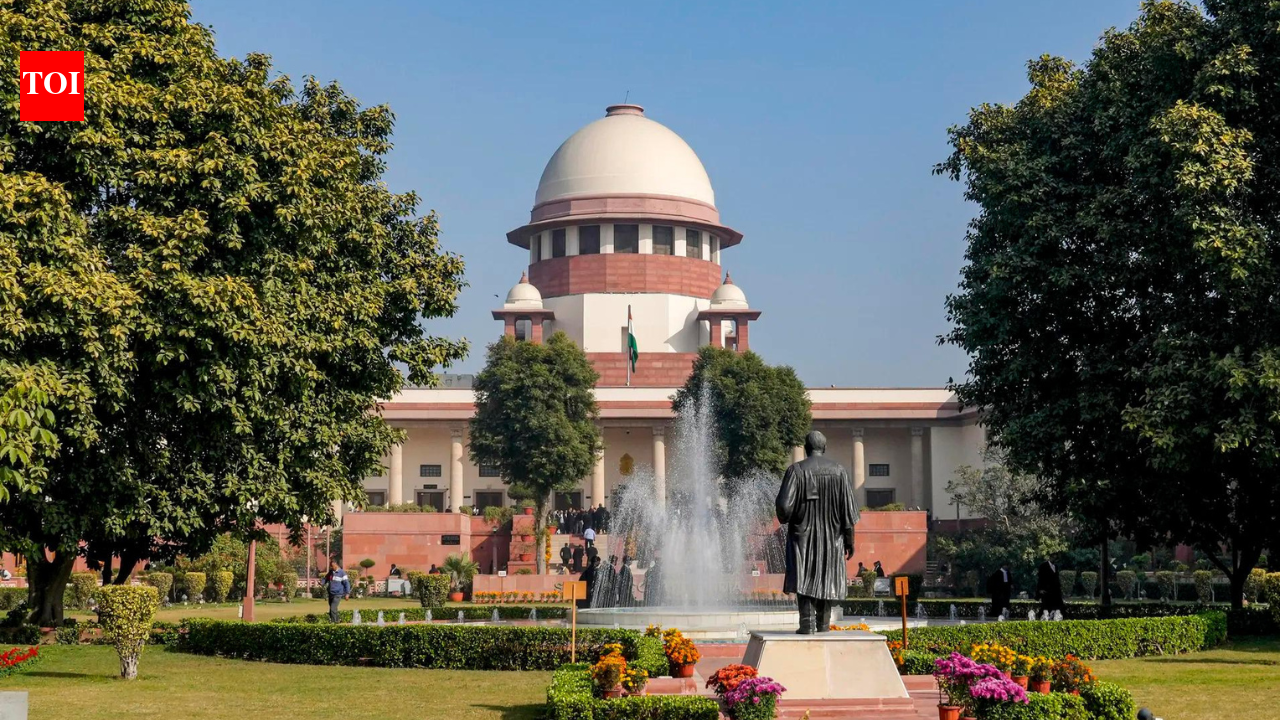
Spouse accused of adultery can't invoke right to privacy, says SC
The Supreme Court has ruled that the right to privacy under Article 21 cannot shield a man from disclosing mobile call records and hotel stay details to prove adultery. Upholding the Delhi High Court's decision, the apex court stated that privacy is not absolute and can be restricted in public interest, especially when adultery is a ground for divorce under the Hindu Marriage Act.