Colombia Moves to Presidential Election Run-off Between Right-Wing and Left-Wing Candidates

Colombia is entering a high-stakes runoff for its presidential election, as the nation remains on edge regarding its political future. The final contest will feature Abelardo de la Espriella facing off against left-wing Senator Ivan Cepeda. This head-to-head matchup highlights deep political divisions within the country, with voters choosing between starkly different visions for Colombia’s governance and economic policy. As the campaign intensifies, observers are closely monitoring potential shifts in domestic stability and regional influence. The outcome of this election is expected to have significant implications for Colombia's internal security and its ongoing social reforms.
This summary was generated by PolitGlobe's AI pipeline from publicly available reporting at Al Jazeera. For the full original article, visit the source below.
Read full article at Al JazeeraRelated coverage

Mette Frederiksen Secures Third Term as Danish Prime Minister After Coalition Talks
Denmark's Mette Frederiksen has successfully secured a third term as Prime Minister following several months of intensive coalition negotiations. Frederiksen will lead a center-left government after reaching an agreement that ends a period of political uncertainty following the general elections. The new administration faces immediate challenges, including economic pressures and ongoing diplomatic tensions regarding Greenland. The successful formation of the government marks a significant achievement for Frederiksen, who has navigated a fractured political landscape to maintain power. This record-long period of talks resulted in a coalition aimed at providing stability while addressing domestic policy reforms and Denmark's role within the European Union.
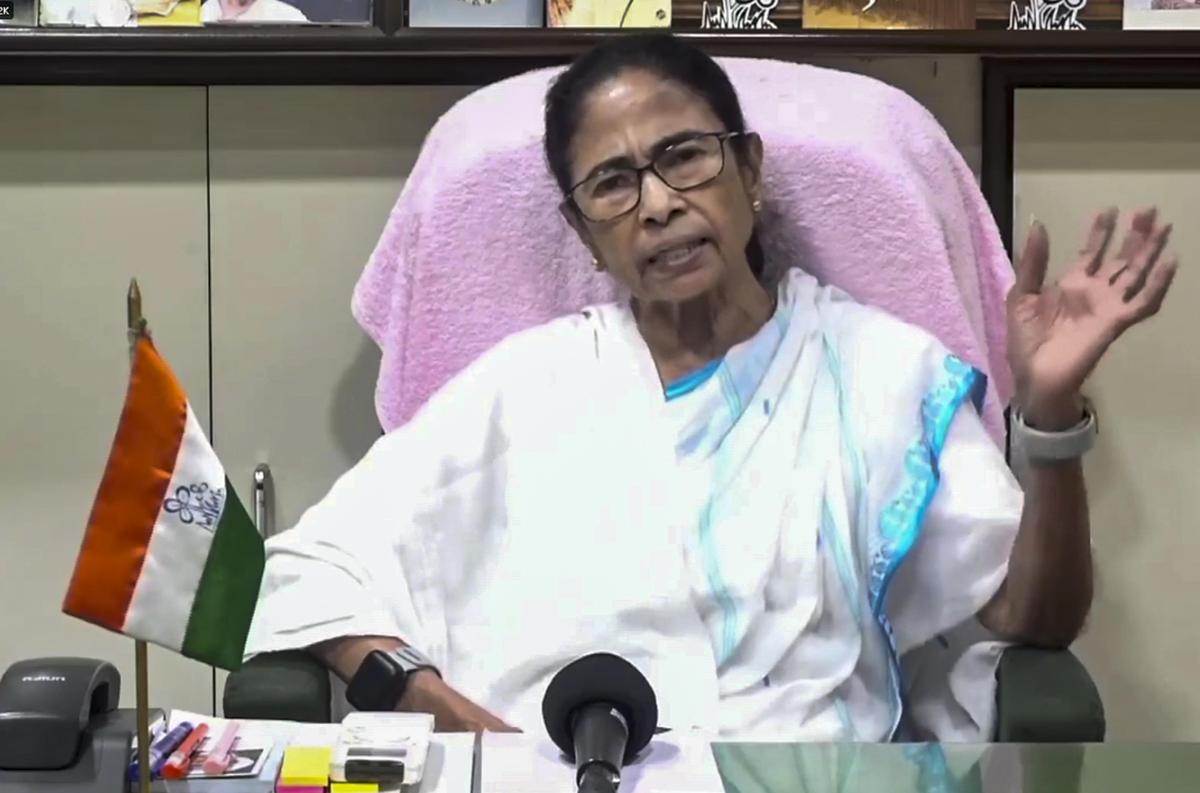
Mamata Banerjee Leads Trinamool Congress Protest in Kolkata Amid Tension
West Bengal Chief Minister Mamata Banerjee has declared that the Trinamool Congress (TMC) will proceed with planned protest rallies in Kolkata, despite potential legal challenges. Addressing the media, Banerjee expressed defiance against authorities, stating she is prepared for arrest if necessary. The demonstrations are part of a broader political standoff in the state, highlighting the increasing friction between the ruling TMC and opposition forces. The Chief Minister's stance emphasizes her party's commitment to public mobilization as a tool for political expression, signaling a period of heightened civil activity and partisan confrontation in the region.

Congress Condemns Vandalism of YSR Statue in Andhra Pradesh's Nandyal
The Congress party has issued a strong condemnation following the vandalization of a statue of the late Chief Minister Y.S. Rajasekhara Reddy in Nandyal. Party leaders characterized the act as an assault on political heritage and a provocation intended to disturb regional peace. The incident has sparked immediate political backlash, with Congress officials demanding a swift investigation and the arrest of those responsible. This event adds to a series of confrontations between rival political factions in Andhra Pradesh, raising concerns about the security of public monuments and the potential for retaliatory actions during the current political cycle.

Ethiopia Conducts Elections Amid Concerns Over Widespread Voter Exclusion
Ethiopians have begun heading to the polls for national elections, but the process is overshadowed by the exclusion of millions of citizens from the voting process. Security concerns, regional conflicts, and administrative hurdles have prevented several key areas from participating in the democratic exercise. Critics and opposition groups argue that the lack of universal participation undermines the legitimacy of the results and fails to address the country's deep political divisions. While the government maintains the elections are a necessary step for stability, international observers remain wary of the humanitarian and political consequences of holding a vote while significant portions of the population remain disenfranchised.