With all eye on delimitation & FCRA, Parliament monsoon session sinks deeper into deadlock
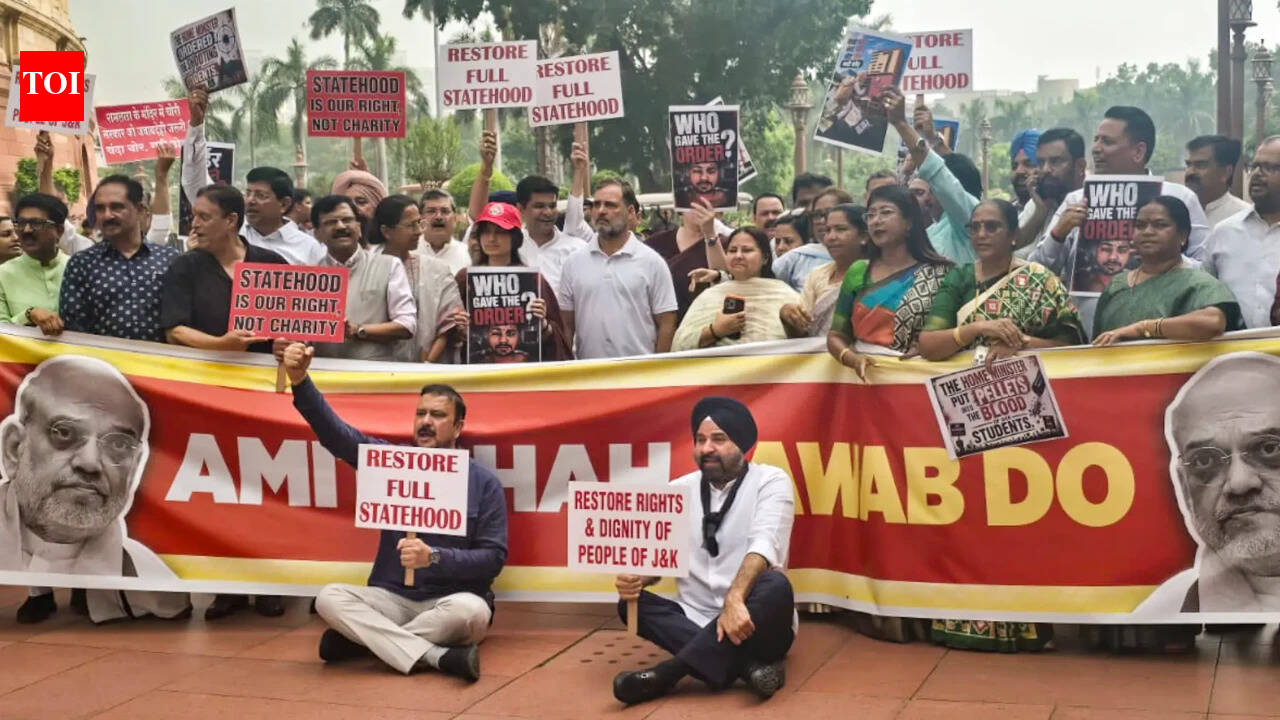
Parliament has hit yet another impasse as the opposition protests continue for the thirteenth day. Despite this, the government succeeded in passing important legislation, including the Bankers' Books Evidence Bill and a bill concerning Supreme Court judges. In an effort to resolve the deadlock, minister Kiren Rijiju met with opposition figures, while Prime Minister Modi focused on discussing strategies with BJP Members of Parliament.
This summary was generated by PolitGlobe's AI pipeline from publicly available reporting at Times of India. For the full original article, visit the source below.
Read full article at Times of IndiaRelated coverage

Ex-PM Sheikh Hasina announces plan to return to Bangladesh - Al Jazeera
Ex-PM Sheikh Hasina announces plan to return to Bangladesh Al JazeeraIndia says it is not involved with Bangladesh ex-PM Hasina's virtual address ReutersBangladesh's ousted ex-prime minister Sheikh Hasina says she will return despite facing death sentence Sky NewsGovernment has no role; event being organised by ‘private media entity’: MEA on Sheikh Hasina’s press event The Hindu"Whatever Fate Awaits Me, I Will Return To My People": Sheikh Hasina NDTV

Parliament clears Bill to increase number of judges in Supreme Court
Opposition members walked out before the voting on the Bill; will pendency in SC cleared because of appointment of four judges, asks Congress MP and senior lawyer Vivek Tankha

Death of student triggers protest at BU’s Jnanabharathi campus demanding ban on public vehicles
Death of student triggers protest at BU’s Jnanabharathi campus demanding ban on public vehicles
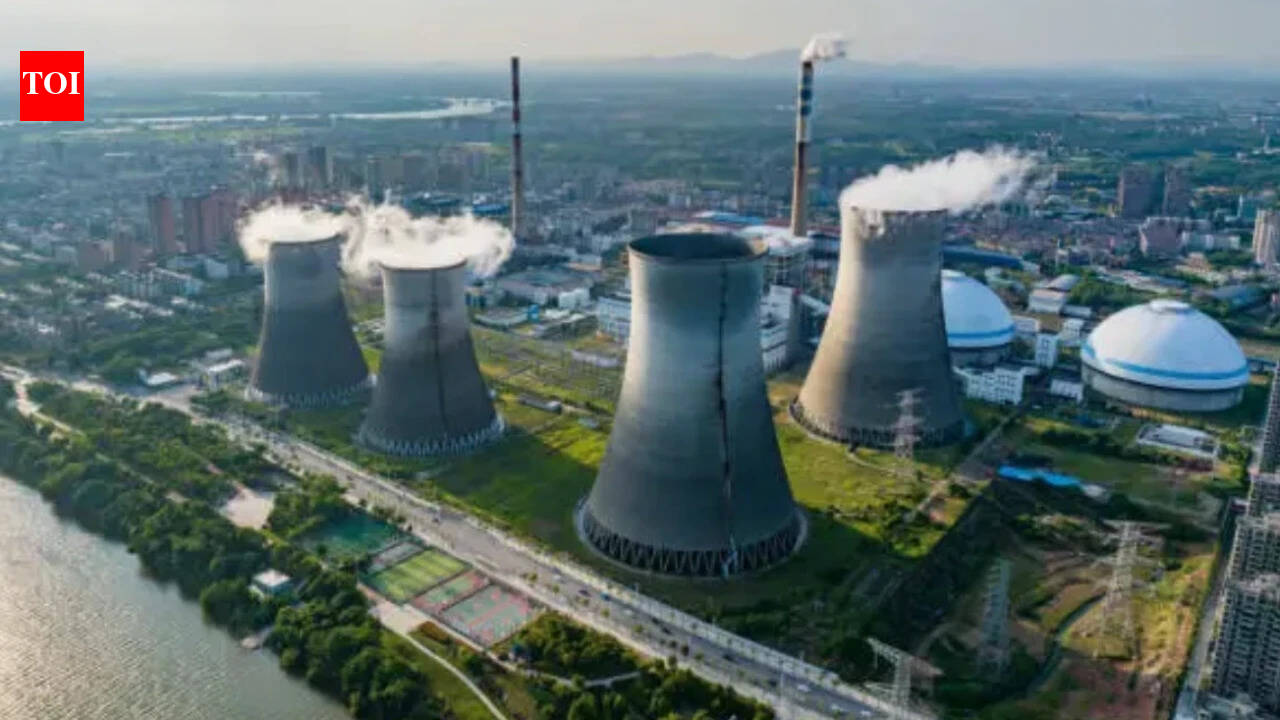
BJD opposes proposed nuclear plant in Odisha, warns of mass agitation
Addressing a press conference, BJD senior general secretary Lekhashree Samantsinghar claimed that a nuclear power plant would pose a serious threat to the health and safety of people living in the state. She accused the BJP's "double-engine government" of ignoring public welfare in favour of corporate interests. Samantsinghar added that the consequences of those disasters were still being felt and argued that nuclear power carries significant risks to human life.