Senate Leader John Thune Urges White House to Scrap $1.8B DOJ Fund

Senate Republican Leader John Thune has publicly called on the White House to dismantle the $1.8 billion 'anti-weaponization' fund managed by the Department of Justice. Thune’s intervention highlights a growing rift between the executive branch and congressional leadership, as the fund has become a primary obstacle to advancing broader legislative goals, including a stalled immigration bill. The Senator suggested that restructuring or removing the fund is essential to unlocking GOP support for the administration's policy agenda. This internal party tension underscores the difficulties the administration faces in balancing its investigative priorities with legislative necessity.
This summary was generated by PolitGlobe's AI pipeline from publicly available reporting at Google News. For the full original article, visit the source below.
Read full article at Google NewsRelated coverage
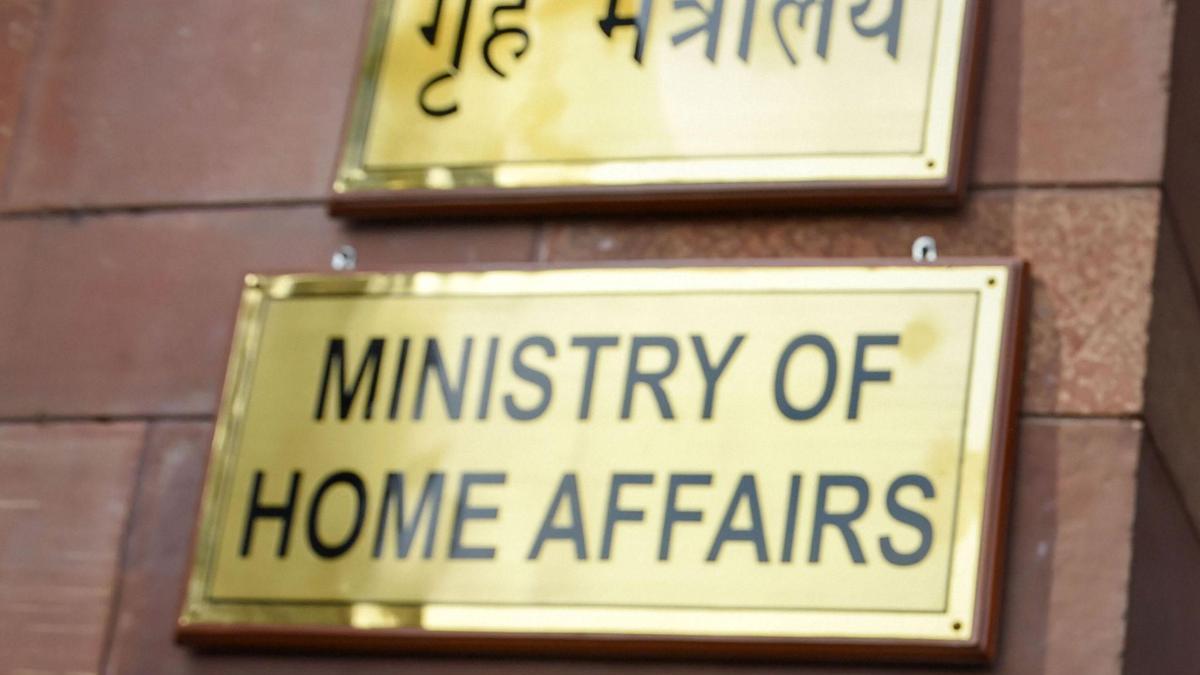
India Updates Immigration and Foreigners Registration Rules for 2025
The Indian government has officially notified amendments to the Immigration and Foreigners Rules for 2025, introducing critical updates to the registration process for foreign nationals. The primary change replaces the previous requirement that mandated foreign visitors to register within 14 days after staying in the country for 180 days. This regulatory shift aims to modernize administrative procedures and streamline how the government tracks foreign arrivals and departures. These updates are expected to impact long-term visa holders and international residents, providing a more structured timeframe for compliance with local registration authorities under the new legal framework.

NMC Issues Warning Over HIV and Hepatitis Risks From Unsafe Injections
The National Medical Commission (NMC) has issued a critical advisory regarding the health risks associated with unsafe injection practices across India. The medical regulatory body highlighted that the reuse of syringes and improper sterilization techniques significantly increase the transmission rates of blood-borne pathogens, including HIV, Hepatitis B, and Hepatitis C. To mitigate these risks, the NMC is urging healthcare providers to strictly adhere to international safety protocols and universal precautions. This initiative aims to strengthen patient safety standards and reduce the burden of preventable chronic infections caused by administrative negligence in clinical settings.

NMC Issues Warning Over HIV and Hepatitis Risks From Unsafe Injections
The National Medical Commission (NMC) has issued a critical advisory regarding the health risks associated with unsafe injection practices across India. The medical regulatory body highlighted that the reuse of syringes and improper sterilization techniques significantly increase the transmission rates of blood-borne pathogens, including HIV, Hepatitis B, and Hepatitis C. To mitigate these risks, the NMC is urging healthcare providers to strictly adhere to international safety protocols and universal precautions. This initiative aims to strengthen patient safety standards and reduce the burden of preventable chronic infections caused by administrative negligence in clinical settings.

Evolution of Indian Environmental Activism From Chipko to Appiko Movements
Following the landmark 1972 Stockholm Conference, India witnessed a significant surge in grassroots environmental activism. The iconic Chipko movement, characterized by non-violent resistance and tree-hugging protests, served as a foundational inspiration for subsequent ecological efforts across the country. One notable successor was the Appiko movement in Karnataka, which adapted these methods to protect southern forests from commercial exploitation. These movements played a crucial role in shaping India's environmental policies and raising public awareness regarding the vital link between forest conservation and the livelihoods of local communities. Today, they remain historical benchmarks for global sustainable development and ecological preservation.