Welsh Senedd Upholds Nation of Sanctuary Policy Amid Reform UK Challenges

A majority of the Welsh Parliament (Senedd) has voted to defend the 'Nation of Sanctuary' policy following a formal challenge by Reform UK. During a heated debate, representatives of the Reform party called for the scrapping of the policy, arguing it places undue pressure on local services and deviates from national immigration priorities. However, members from across the political spectrum reaffirmed Wales's commitment to supporting refugees and asylum seekers, arguing the strategy promotes integration and humanitarian values. The policy remains in place, reinforcing Wales's distinct approach to social inclusion despite increasing pressure from right-wing political factions.
This summary was generated by PolitGlobe's AI pipeline from publicly available reporting at BBC. For the full original article, visit the source below.
Read full article at BBCRelated coverage

E. Jean Carroll Seeks $5.8 Million in Damages from Donald Trump After Appeal Denied
Lawyers representing writer E. Jean Carroll have petitioned a federal court to expedite a payment of $5.8 million in damages from former President Donald Trump. This request follows the U.S. Supreme Court's decision to decline an appeal from Trump regarding a 2019 defamation finding. Carroll’s legal team argues that there is no longer a legal basis to delay the transfer of funds. Trump has faced multiple legal setbacks involving Carroll, including a separate $83.3 million jury award in a later case. The current demand focuses on resolving the long-standing financial obligations resulting from the initial civil litigation.

US Supreme Court Ruling Expansion of Influence for Wealthy Political Donors
The United States Supreme Court has issued a significant ruling that further deregulates campaign finance, granting wealthy donors and special interest groups greater influence over the political landscape. Critics of the decision argue that the move undermines democratic integrity by potentially inviting corruption and allowing private interests to overshadow public policy. Proponents of such rulings often cite free speech protections, but transparency advocates warn that the decision amplifies the voices of the elite at the expense of average voters. The ruling marks another shift in federal regulations regarding how money is raised and spent in American elections.
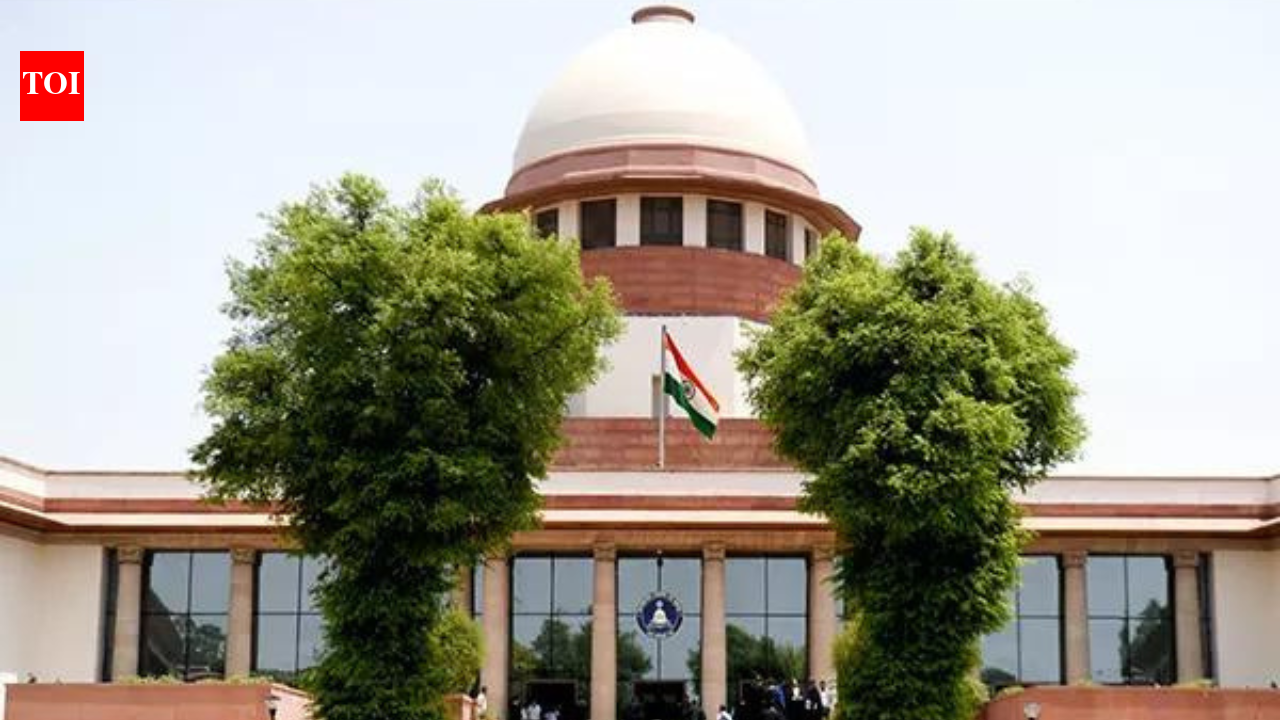
Supreme Court Rules No Default Bail for Delayed Chargesheet Copies in India
The Supreme Court of India has clarified the legal parameters regarding the right to default bail. Justices Sanjay Karol and N K Singh ruled that an accused person cannot claim default bail solely on the grounds that they were not provided with copies of the chargesheet within the statutory timeframe. The court emphasized that the right to default bail is strictly tied to whether the investigating agency filed the chargesheet within the mandatory 60 or 90-day period. As long as the document is submitted to the court on time, the failure to deliver copies to the accused does not trigger an automatic release.

Supreme Court Rulings Expand Presidential Authority Despite Specific Setbacks
A review of recent Supreme Court decisions indicates a significant expansion of executive authority, providing a legal framework that favors a broad interpretation of presidential power. While the court issued specific rulings that hindered certain policy goals—such as initiatives related to tariffs and birthright citizenship—the underlying judicial trend reinforces the immunity and discretionary reach of the office. These developments are viewed as a long-term victory for Donald Trump’s legal philosophy regarding the executive branch. The rulings establish critical precedents that will likely influence the balance of power between the presidency and the other branches of government for years to come.