French Navy Seizes Sanctioned Russian Oil Tanker With UK Assistance

The French Navy, supported by British intelligence and logistical backing, has intercepted and seized a Russian-linked oil tanker in the Atlantic Ocean. The vessel is suspected of violating international sanctions imposed following the invasion of Ukraine. French President Emmanuel Macron confirmed the operation, emphasizing the commitment of European allies to enforcing maritime restrictions. The Kremlin has condemned the seizure as an "illegal" act of provocation, further straining relations between Moscow and Western powers. This incident represents a significant escalation in the physical enforcement of economic sanctions, demonstrating a coordinated effort among NATO members to monitor and disrupt Russian energy exports and financial flows.
This summary was generated by PolitGlobe's AI pipeline from publicly available reporting at Google News. For the full original article, visit the source below.
Read full article at Google NewsRelated coverage

Activists Use 2026 World Cup Stadiums to Highlight Mexico’s Missing Persons Crisis
Human rights activists in Mexico have begun a campaign of "plastering" missing persons posters around major stadiums designated for the 2026 FIFA World Cup. The initiative aims to utilize the global spotlight on the upcoming tournament to draw international attention to Mexico’s ongoing disappearance crisis, where over 100,000 individuals remain missing. By placing these reminders in high-visibility areas, activists hope to pressure the government into taking more decisive action and to inform visiting fans about the country's security challenges. The campaign underscores the intersection of major sporting events and local social justice issues, highlighting the human rights concerns that persist behind the scenes.
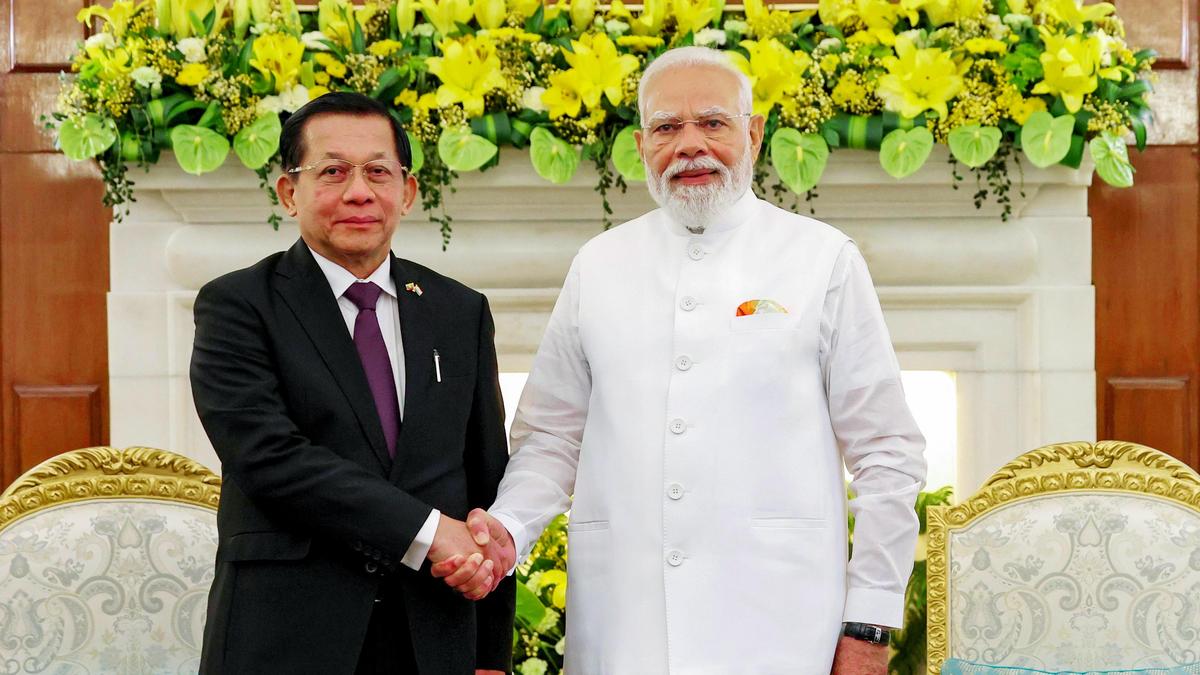
Myanmar Pledges to Prevent Anti-India Activities on its Territory
Myanmar’s President Min Aung Hlaing has assured India that its territory will not be used by elements hostile to Indian interests. This statement came during bilateral discussions that spanned security, training, and infrastructure. India has agreed to provide training for Myanmar’s military for United Nations peacekeeping missions. The talks also covered crucial regional infrastructure projects, including the Kaladan Multimodal Transit Transport Project and the Moreh-Mae Tsot highway connecting India to Thailand. Additionally, the leaders discussed the ongoing detention of former leader Aung San Suu Kyi, highlighting the complex diplomatic balance between security cooperation and democratic concerns.

Archived Messages Reveal Lord Mandelson’s Sharp Criticism of No 10 Downing Street
Recently published historical documents have shed light on internal tensions within the UK government, revealing sharp criticisms from Lord Mandelson regarding the leadership at No 10 Downing Street. The correspondence details concerns held by Mandelson and other ministers about the Prime Minister's direction and the morale of Labour MPs during a period of political instability. Describing the administration as "bereft and beleaguered," the messages provide a candid look at the friction between high-ranking officials and the core leadership. These revelations offer new insights into the inner workings of the Labour Party and the challenges faced by the government in maintaining unity.
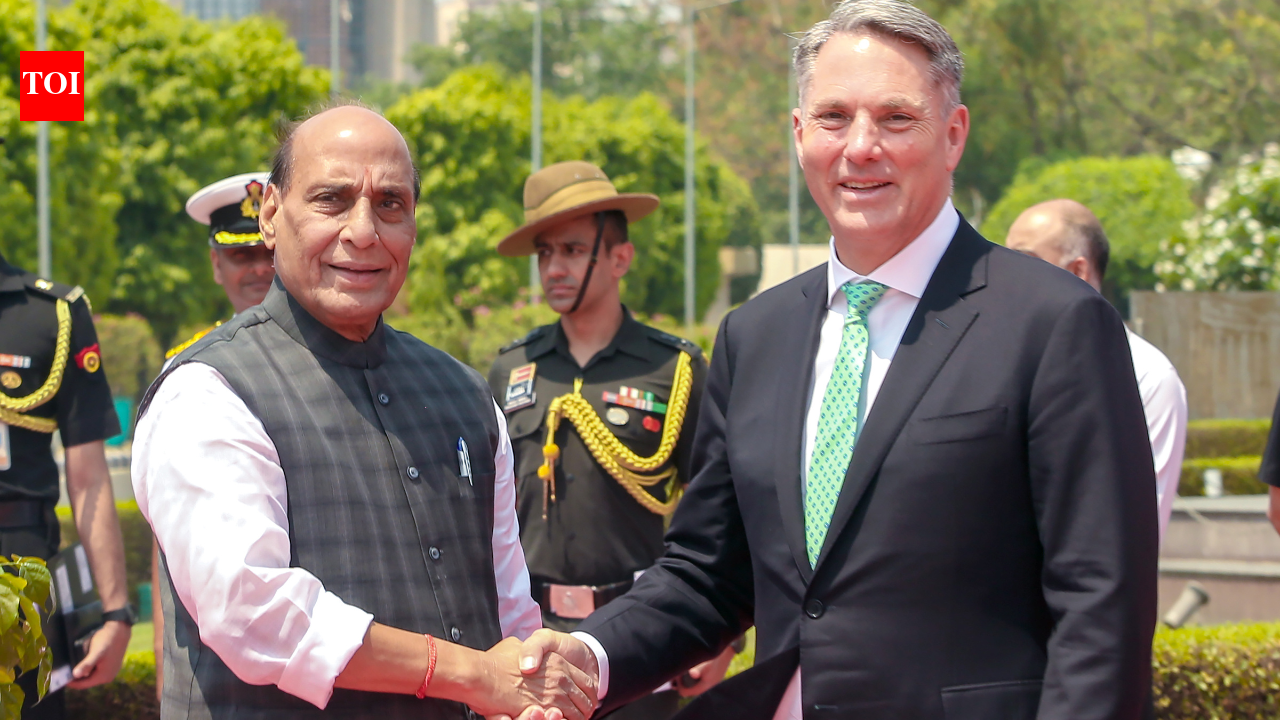
India and Australia Finalize Roadmap for Joint Maritime Security Collaboration
Indian Defence Minister Rajnath Singh and his Australian counterpart held high-level talks in Delhi to strengthen bilateral defense ties. Both leaders underscored the critical importance of maritime freedom and the security of global supply chains in the Indo-Pacific region. A key outcome of the meeting was the progress made toward finalizing a Joint Maritime Security Collaboration Roadmap. This strategic framework aims to enhance operational cooperation and information sharing between the two navies. The discussions reflect a growing alignment between New Delhi and Canberra as they navigate shared security challenges and strive for a stable regional maritime environment.