Youth-Led Social Media Movement Transforms Indian Political Landscape

A significant shift is occurring in Indian politics as a youth-led revolution gains momentum through a powerful social media wave. This movement is leveraging digital platforms to mobilize young voters, raise awareness on critical socio-political issues, and challenge traditional campaigning methods. By bypassing conventional media gatekeepers, activists are fostering a more direct form of democratic engagement. Analysts note that this digital-first approach is reshaping political narratives and forcing established parties to rethink their strategies to appeal to India's burgeoning young demographic, which is increasingly tech-savvy and politically conscious.
This summary was generated by PolitGlobe's AI pipeline from publicly available reporting at Google News India. For the full original article, visit the source below.
Read full article at Google News IndiaRelated coverage

Ten Injured as Gunmen Target Villagers Protesting Illegal Mining in Rajasthan
At least ten people sustained injuries in Rajasthan’s Kotputli-behror district after unidentified assailants opened fire on villagers protesting against illegal mining activities. The incident occurred during a peaceful sit-in demonstration when a group of armed men arrived and began attacking the participants. Superintendent of Police Satveer Singh confirmed the violence, stating that the villagers had been demonstrating against local mining operations. Local authorities have launched an investigation to identify the attackers and restore order in the region. This clash highlights the ongoing tensions between local communities and unregulated mining interests in rural India.

Election Commission Reviews Special Internal Revision Progress in Sikkim
The Election Commission of India has commenced a review of the Special Internal Revision (SIR) process in Sikkim to ensure comprehensive voter list accuracy. During the enumeration phase, which began on May 30 and is scheduled to conclude on June 28, Booth Level Officers (BLOs) have been directed to proactively assist citizens in completing necessary documentation. This administrative push seeks to streamline voter registration and address discrepancies ahead of future electoral cycles. The initiative emphasizes grassroots participation, with officials tasked with verifying resident data and facilitating form submissions to ensure no eligible voter is excluded from the updated rolls.

India Advances Strategic Shift Toward Unified Military Theatre Commands
The Indian government is reaching a critical juncture in its pursuit of sweeping military reforms, specifically the transition toward unified theatre commands. Chief of Defence Staff General Anil Chauhan's current tenure is viewed as a pivotal period that could determine if the military makes a definitive leap toward structural integration or continues with incremental changes. The reform aims to streamline defense production and operational coordination across the army, navy, and air force. Analysts suggest that the window for gradual adjustments is closing, requiring decisive leadership to modernize India's command structure for future security challenges.
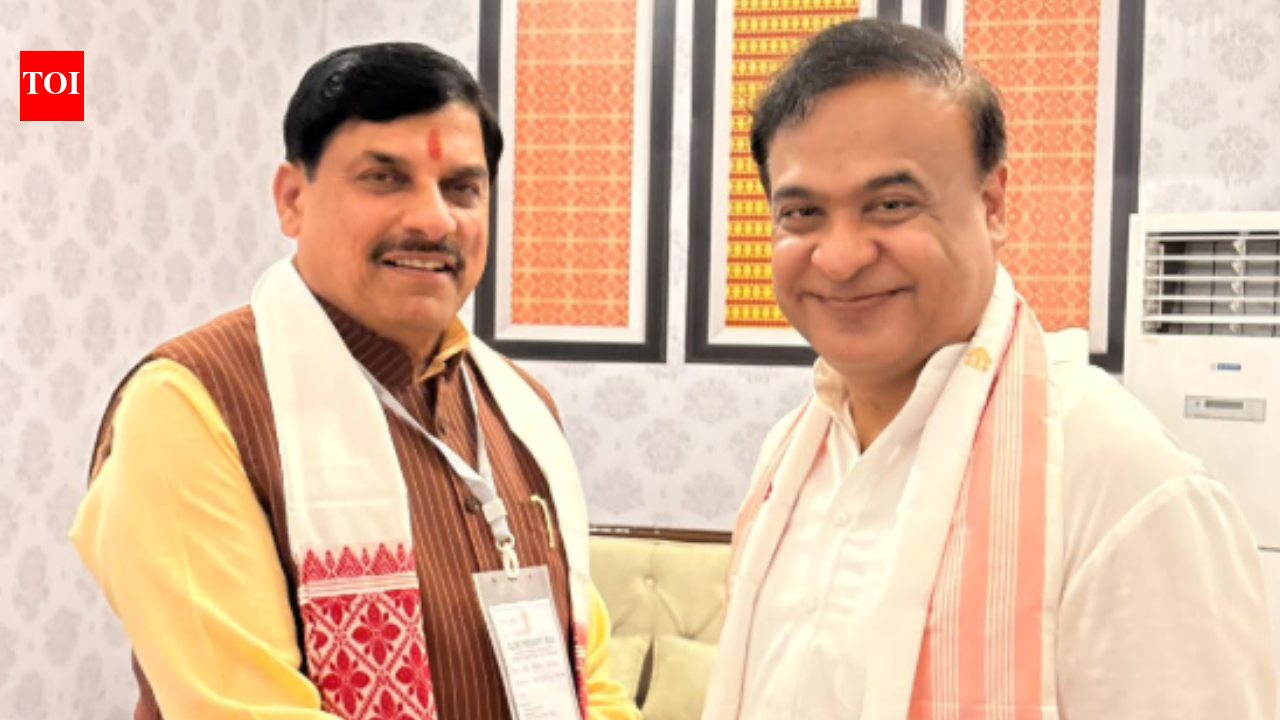
Madhya Pradesh Initiates Steps to Implement Uniform Civil Code
Madhya Pradesh Chief Minister Mohan Yadav has announced the state's commitment to implementing a Uniform Civil Code (UCC), following the lead of other BJP-governed states like Uttarakhand and Assam. The state government plans to form a specialized committee to draft a legal framework establishing common laws for marriage, divorce, and inheritance across all religious communities. To ensure a participatory approach, the administration has launched a dedicated website to solicit suggestions and feedback from the public. This move represents a significant policy shift aimed at standardizing personal laws, with official outreach efforts focusing on gathering diverse communal perspectives before finalizing the legislation.