Taiwan's Economic Growth Surges on AI Demand Despite Geopolitical Risks

Taiwan's economy is experiencing significant growth, driven largely by the global surge in demand for artificial intelligence chips and increased exports to the United States. While the current GDP performance is robust, economic analysts warn of potential future headwinds. Key concerns include the possibility of shifting trade policies under a potential second Trump administration and ongoing geopolitical tensions with China. Experts suggest that while the semiconductor industry remains a powerhouse for the island, Taiwan's long-term economic stability may depend on navigating these complex international relations and diversifying its trade dependencies.
This summary was generated by PolitGlobe's AI pipeline from publicly available reporting at Al Jazeera. For the full original article, visit the source below.
Read full article at Al JazeeraRelated coverage
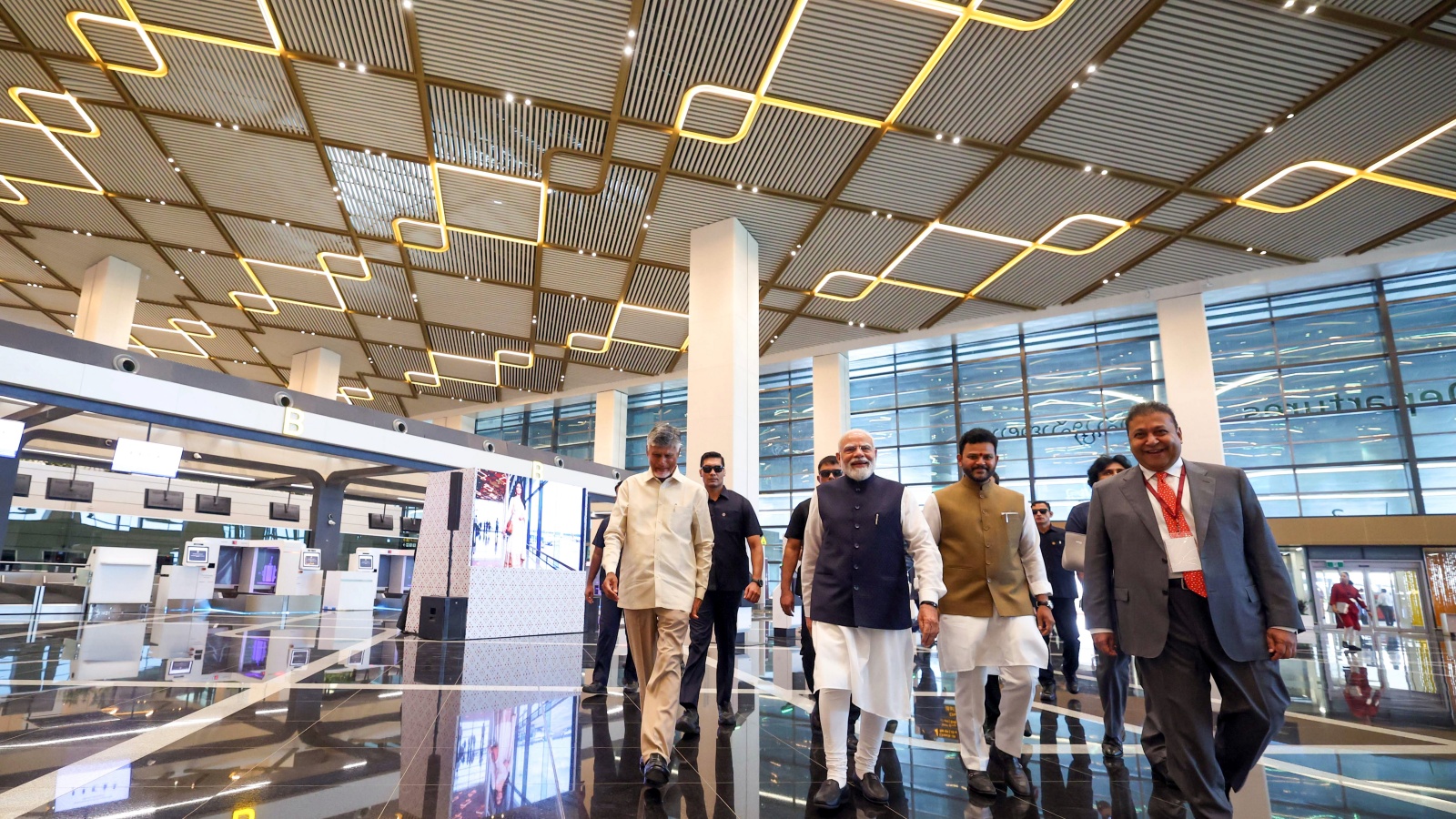
PM Modi Projects Andhra Pradesh as India’s Next Major Manufacturing Hub
Prime Minister Narendra Modi has highlighted Andhra Pradesh's potential to become a cornerstone of India's industrial landscape. Speaking on the state's development trajectory, the Prime Minister emphasized strategic investments and infrastructure projects aimed at transforming the region into a global manufacturing center. The central government’s focus remains on leveraging the state's geographical advantages and workforce to boost domestic production and exports. This initiative aligns with the broader 'Make in India' campaign, seeking to attract international investors and generate large-scale employment opportunities within the state while strengthening the national economy.

Union Minister Outlines Economic Impact of New Bhogapuram International Airport
Union Civil Aviation Minister Rammohan Naidu has described the upcoming Bhogapuram International Airport as a historic milestone for the Uttarandhra region. According to the minister, the infrastructure project is expected to catalyze significant growth by attracting international investments and boosting tourism, trade, and industrial activity. Beyond infrastructure, the airport is projected to generate substantial employment opportunities, effectively positioning the region as a competitive player on the global map. The government views the project as a critical driver for the socio-economic transformation of Andhra Pradesh's coastal districts.

India’s July GST Collections Surge 15.4% to Over ₹2.1 Lakh Crore
India’s Goods and Services Tax (GST) collections reached a significant milestone in July, rising 15.4% year-on-year to total ₹2,11,205 crore. This growth was primarily driven by a substantial 29% increase in integrated GST collected on imports, alongside steady domestic transaction growth. Detailed figures show Central GST rose by 12.3% while State GST grew by 8.7%. After accounting for refunds, net collections saw a 15.8% increase. Analysts attribute the robust performance to sustained economic resilience, increased commodity prices, and heightened industrial activity, marking the second-highest monthly collection since the tax regime's inception.

Kerala Fishers Brave Storms as Financial Pressures Outweigh Weather Warnings
Fishermen in Kerala are increasingly disregarding government weather warnings and 'stay-at-home' directives due to the absence of financial safety nets. While extreme weather events linked to climate change have led to more frequent fishing bans, union leaders argue that the lack of minimum wages or guaranteed compensation forces families to choose between sea-borne risks and starvation on land. The situation highlights a growing crisis where environmental safety protocols clash with the economic survival of coastal communities, as state support remains insufficient to cover lost income during periods of inactivity.