Supreme Court Split Ruling Hints at Future Conflict Over Birthright Citizenship

The United States Supreme Court recently issued a divided 6-3 ruling regarding birthright citizenship, suggesting that the long-standing legal interpretation of the 14th Amendment may face further challenges. While the current decision maintains established norms, the ideological split among the justices indicates a potential willingness to revisit the constitutional basis of citizenship for children born in the U.S. to non-citizens. Legal experts suggest that this ruling could open the door for new litigation or executive actions aimed at testing the limits of birthright citizenship, making it a pivotal issue in upcoming national political and legal debates.
This summary was generated by PolitGlobe's AI pipeline from publicly available reporting at Al Jazeera. For the full original article, visit the source below.
Read full article at Al JazeeraRelated coverage
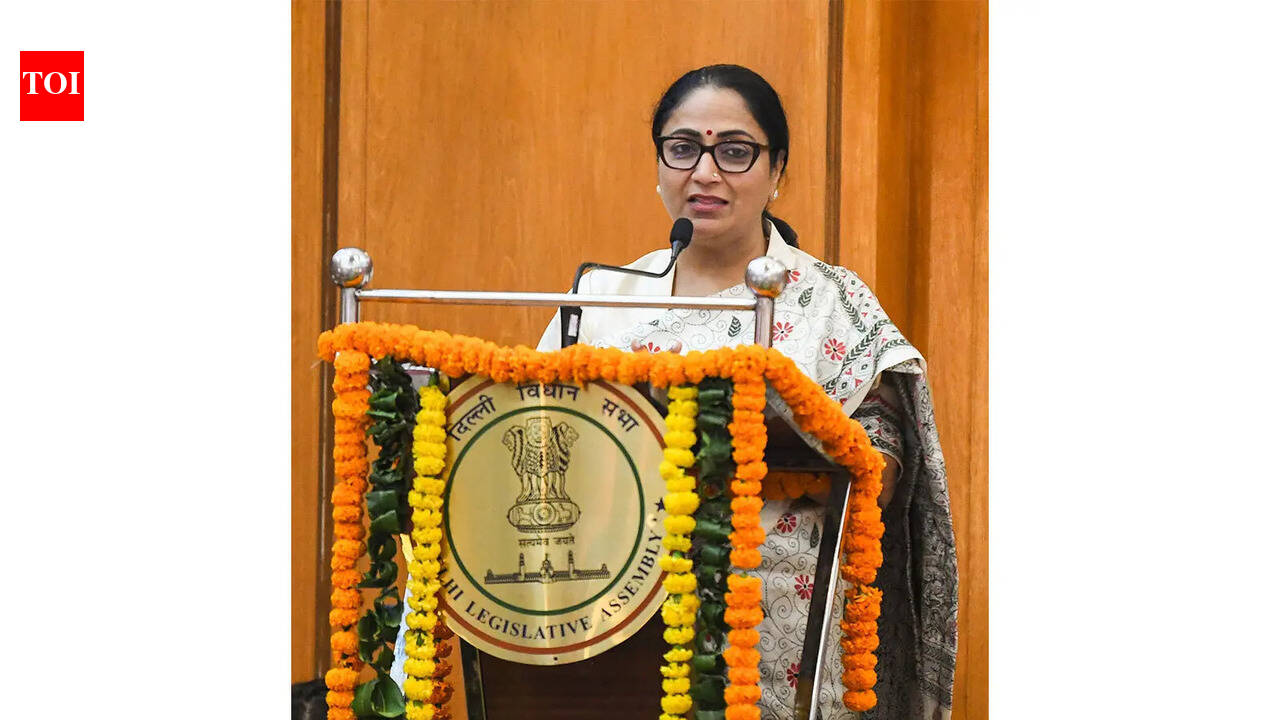
Delhi Government Launches Heritage Adoption Schemes to Restore 75 Monuments
Delhi Chief Minister Rekha Gupta has unveiled two new conservation initiatives under the 'Our Monuments, Our Pride' banner. The programs allow private institutions and companies to 'adopt' up to 75 historical monuments across the capital for restoration and maintenance. To support these efforts, the government will provide financial assistance of up to Rs 2 crore. The initiative aims to leverage public participation and corporate social responsibility to preserve the city’s architectural heritage while simultaneously boosting local tourism. The schemes represent a shift toward public-private partnerships in managing smaller and often neglected heritage sites.

Kerala Government Plans Overhaul of State Lottery Prize and Commission Structures
The Kerala state government has announced plans to revamp its lottery system following concerns raised regarding a decline in ticket sales. State Finance Minister K.N. Balagopal indicated that the restructuring will focus on revising the prize hierarchy and increasing commissions offered to lottery agents. This policy shift follows discussions in the State Assembly initiated by Congress MLA Saneeshkumar Joseph, who highlighted the economic challenges currently facing the sector. The proposed changes aim to revitalize the state-run lottery, which serves as a significant source of non-tax revenue for Kerala, while addressing the grievances of thousands of workers employed in the industry.

Democratic Socialist Melat Kiros Ousts Incumbent in Colorado Primary Election
Melat Kiros, a 29-year-old former lawyer and member of the Democratic Socialists of America, has secured a significant victory in the Colorado primary, defeating a long-term incumbent. Kiros focused her campaign on progressive domestic issues alongside a strong critique of the Democratic Party's stance regarding the ongoing conflict in Gaza. Her victory highlights a growing shift within local party dynamics as younger, more progressive candidates challenge established figures. The win is seen as a indicator of internal party tensions over foreign policy and voter demand for systemic reform at the state level.

Indian Government to Hold Messaging Platforms Liable for Fraud-Enabling Features
The Indian government has announced that messaging platforms will be held legally responsible if their new features facilitate fraudulent activities. Amid increasing digitalization of public services, officials emphasize that cybersecurity remains a critical priority. The warning follows recent scrutiny of platforms like Telegram during national examinations. Government representatives stated that while no system is perfectly secure, the focus will shift from platform assurances to tangible security outcomes. Authorities maintain that tech companies must proactively prevent their services from becoming tools for cybercrime as threats continue to evolve.