Jailed Tunisian Opposition Leader Rached Ghannouchi Hospitalized
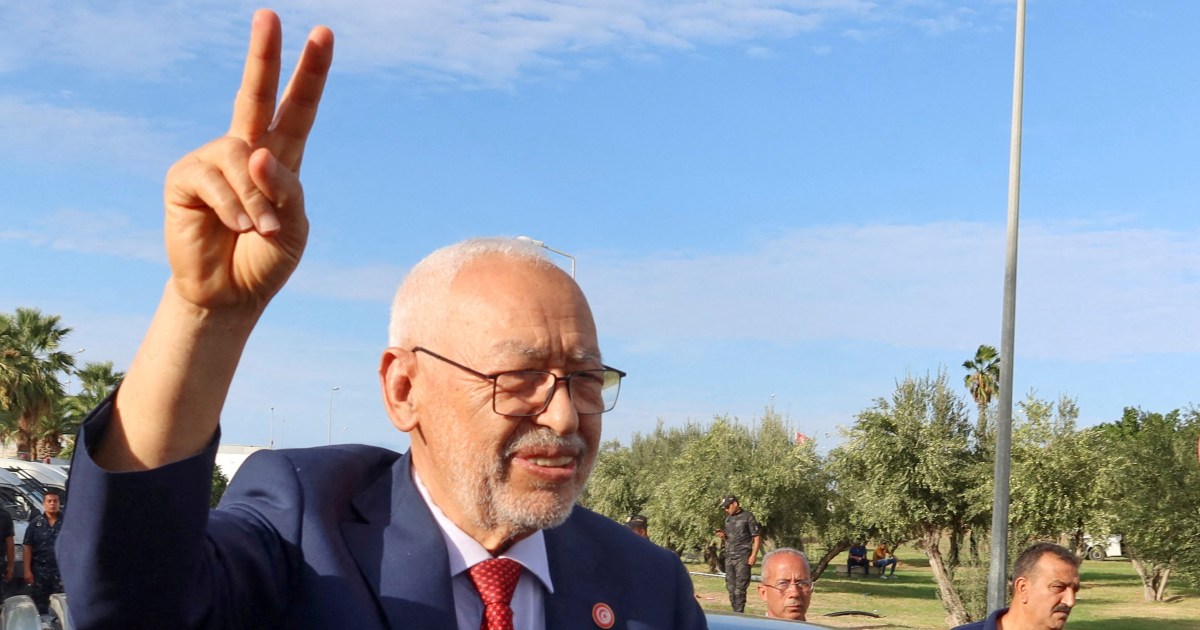
Rached Ghannouchi, the incarcerated leader of Tunisia’s Ennahda party and a prominent figure in the country’s opposition, has been rushed to a hospital following a health decline in prison. His political party has seized the moment to renew its demands for his immediate release, citing his deteriorating condition and the circumstances of his detention. Ghannouchi's imprisonment has been a focal point of international criticism regarding the state of democracy and judicial independence in Tunisia. The hospitalization of the veteran politician adds further tension to the already polarized political landscape in the country as supporters and rights groups voice concerns.
This summary was generated by PolitGlobe's AI pipeline from publicly available reporting at Al Jazeera. For the full original article, visit the source below.
Read full article at Al JazeeraRelated coverage
RG Kar Victim’s Mother Vows Justice as High Court Orders New Investigation Team
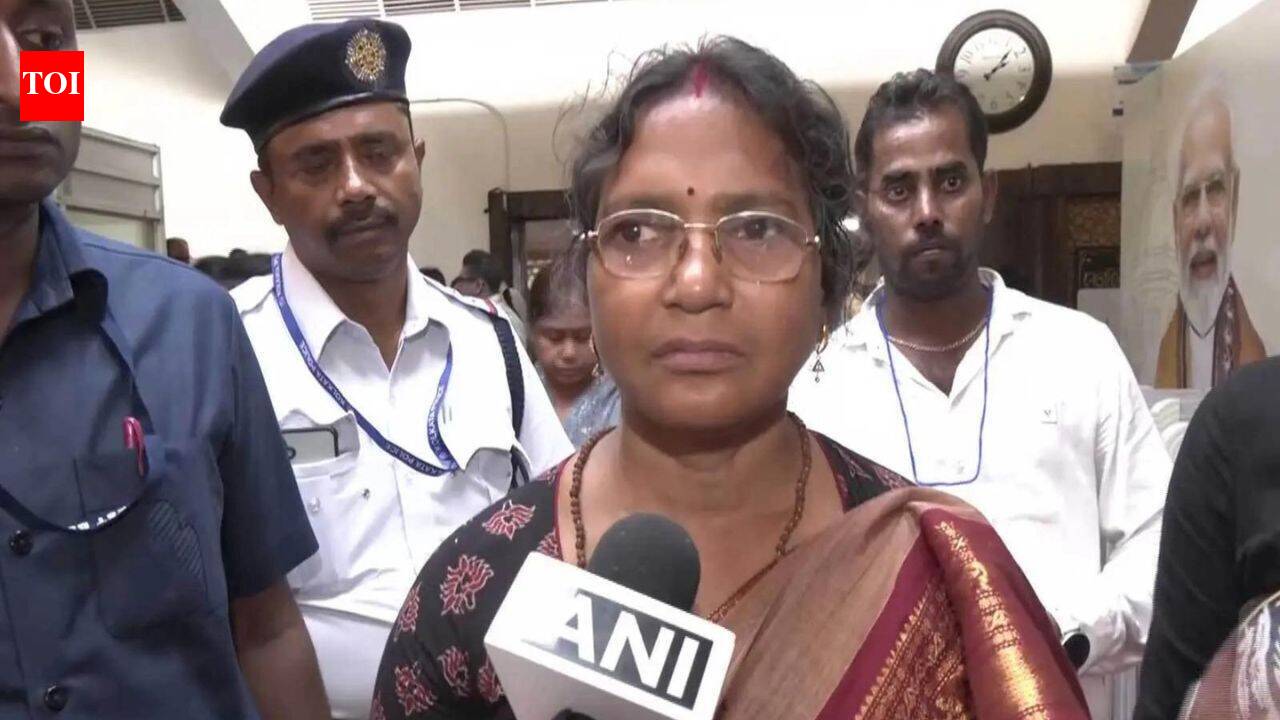
The mother of the RG Kar Medical College rape and murder victim, BJP MLA Ratna Debnath, has publicly stated she knows the identities of those involved in her daughter's death. Her remarks come amid allegations of a cover-up by hospital and local authorities. Following dissatisfaction with the initial inquiry, the Calcutta High Court has ordered the formation of a new Special Investigation Team (SIT) to take over the probe. Debnath expressed confidence that all responsible parties, including those who allegedly concealed evidence, will eventually face legal consequences as the investigation intensifies under judicial oversight.
Protesters Allege Government Surveillance as CJP Demonstration Reaches Day 13
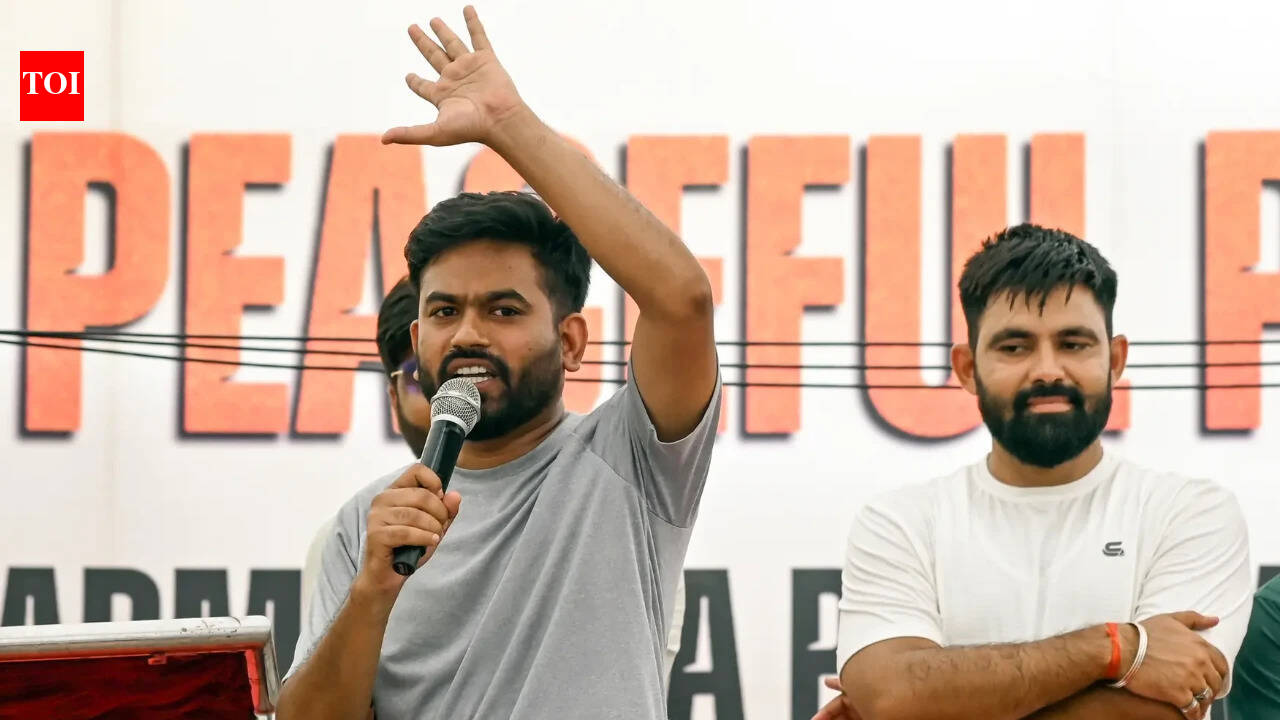
On the thirteenth day of the ongoing Citizens for Justice and Peace (CJP) protests, activist Dipke has raised serious allegations regarding illegal phone surveillance by authorities. The protesters claim their private communications are being monitored, creating an environment of intimidation. These allegations come amid a prolonged standoff involving civil rights advocates who are demanding greater accountability and the protection of constitutional rights. Local authorities have yet to issue an official response to these specific claims of digital monitoring, even as the protest gains momentum and draws increased public attention to issues of privacy and the right to dissent.

Kyiv Under Attack Following Zelenskyy Warning of Massive Russian Strikes
Kyiv has come under intense aerial bombardment shortly after Ukrainian President Volodymyr Zelenskyy warned of a coordinated Russian missile and drone offensive. Eplosions were reported across the capital as national air defense systems engaged incoming ballistic missiles and loitering munitions targeting critical infrastructure and residential areas. The escalation follows weeks of heightened tensions and intelligence reports suggesting a surge in Russian long-range strikes. Ukrainian officials are urging residents to remain in shelters as the military works to intercept the barrage. The strikes emphasize the ongoing volatility of the conflict and the continued targeting of urban centers far from the front lines.

Ayodhya Police Seek Custody of Avinash Shukla in Ram Temple Donation Fraud Case
Authorities in Ayodhya are intensifying their investigation into a major donation fraud involving the Ram Temple after recovering ₹20.4 lakh. Police are currently seeking custody of the primary suspect, Avinash Shukla, following an interrogation conducted by Circle Officer Ashutosh Tewari inside Ayodhya jail. The probe has also expanded to include officials from the State Bank of India (SBI), who are under scrutiny for their potential roles or negligence regarding the diverted funds. Investigators are working to uncover the full extent of the financial irregularities and identify any additional accomplices involved in the scheme.