Evaluating India's Role and Influence in the Emerging Global Order

The Indian Express examines India's strategic positioning within a rapidly changing global geopolitical landscape. As the world shifts toward a more multipolar order, India is increasingly viewed as a critical player capable of bridging the gap between Western powers and the Global South. The article analyzes how India leverages its economic growth and diplomatic ties to exert influence on international stages, including the G20 and BRICS. By balancing complex relationships with major global powers, India seeks to secure its national interests while advocating for a more representative and equitable international system that reflects modern power dynamics and economic realities.
This summary was generated by PolitGlobe's AI pipeline from publicly available reporting at Google News India. For the full original article, visit the source below.
Read full article at Google News IndiaRelated coverage

Kerala Home Ministry Orders Re-investigation Into KSU Protest Case
The Kerala Home Ministry, under Ramesh Chennithala, has ordered a fresh investigation into a protest staged by Kerala Students Union (KSU) activists against Health Minister Veena George. The decision follows a petition submitted by arrested KSU members who claim that the police leveled fabricated charges against them, including attempted murder and armed assault. The activists allege that the initial police report was politically motivated and did not accurately reflect the nature of their black-flag demonstration. This re-investigation aims to verify the severity of the charges and ensure a fair legal process regarding the incident.
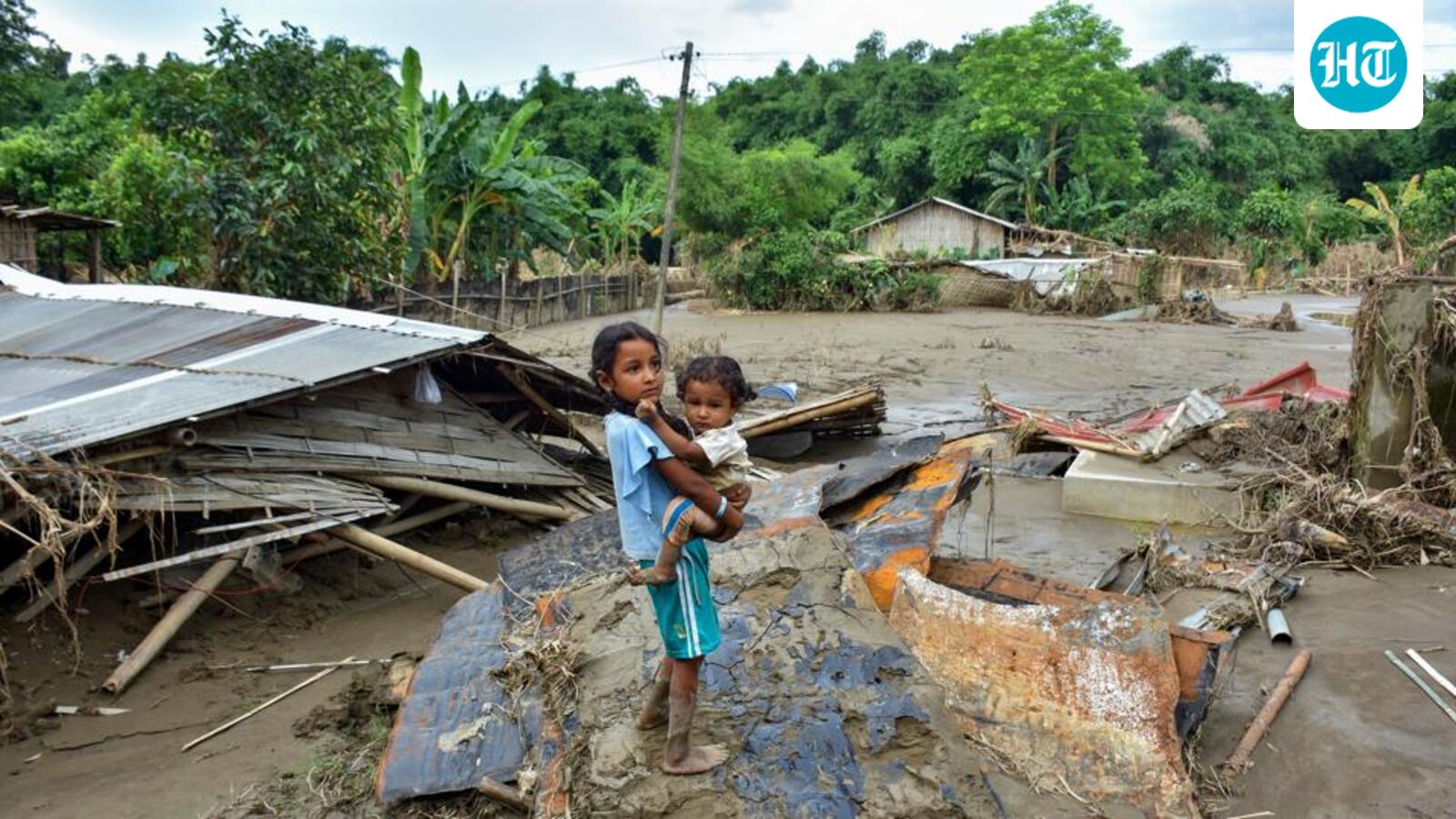
Assam Government Launches Rehabilitation Plan as Flood Waters Recede
Assam Chief Minister Himanta Biswa Sarma has announced that the state government’s top priority has shifted to rehabilitation as flood conditions show signs of improvement. While the death toll from the recent deluge has risen to 82, many displaced families are beginning to return to their homes. The government has initiated a time-bound plan to assist those affected by the disaster, focusing on restoring infrastructure and providing essential support. Officials continue to monitor the situation closely to ensure that the transition from emergency relief to long-term recovery is managed effectively across the impacted districts.
AI Could Drive Next Growth Phase for India's IT Sector Despite Short-Term Risks
India's $280-billion IT services industry faces potential disruption from AI in the short term, but experts see it as a major long-term growth engine. According to Baroda BNP Paribas Mutual Fund, while traditional revenue streams might be challenged, new opportunities are emerging in data engineering, cybersecurity, and cloud integration. The fund remains optimistic about financial services and healthcare sectors over the next three to five years, suggesting that AI will eventually create more value than it destroys for the IT sector.
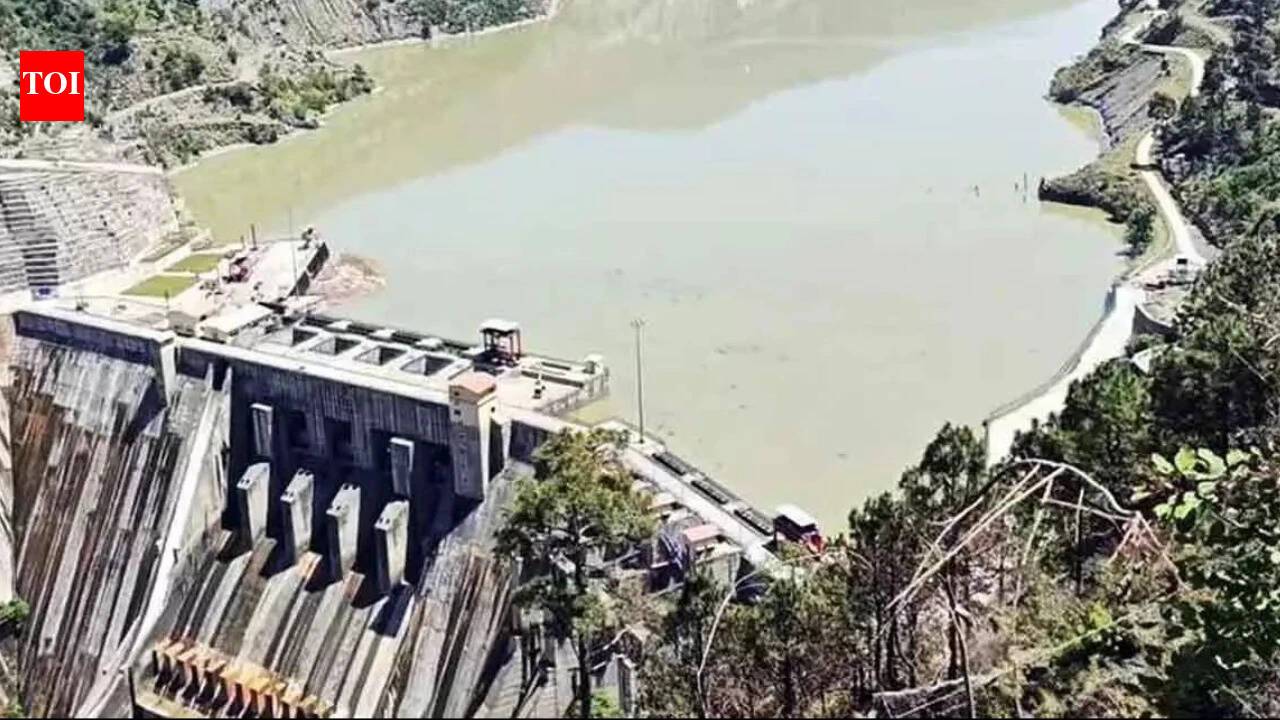
India Links Indus Waters Treaty Talks to Pakistan Dismantling Terror Networks
India's Ambassador to the United States, Vinay Kwatra, has emphasized that any productive dialogue regarding the Indus Waters Treaty is contingent upon Pakistan dismantling its existing terrorism infrastructure. Speaking at an event in Washington, Kwatra highlighted the challenges of maintaining diplomatic agreements while cross-border security threats persist. The statement underscores India's firm stance that regional cooperation and the management of shared water resources cannot be decoupled from security concerns. The envoy's remarks reflect the ongoing tension between the two nuclear-armed neighbors over long-standing treaty obligations and security disputes.