The Impact of Beef Politics and Identity on Indian Majoritarianism

The discourse surrounding beef consumption in India has evolved into a central flashpoint for identity politics and majoritarianism. This sociopolitical phenomenon highlights deepening divisions within the country, as dietary habits become a marker for religious and cultural affiliation. The intersection of policy and social identity reflects a shift in India’s democratic fabric, where majoritarian sentiment often influences local governance and communal relations. Analysts suggest that the weaponization of beef-related issues serves as a tool for political mobilization, potentially undermining the pluralistic traditions of the Indian state while shaping the legislative landscape regarding religious and civil freedoms.
This summary was generated by PolitGlobe's AI pipeline from publicly available reporting at Google News India. For the full original article, visit the source below.
Read full article at Google News IndiaRelated coverage
Tamil Nadu Government to Release White Paper on State Finances and Treasury Status
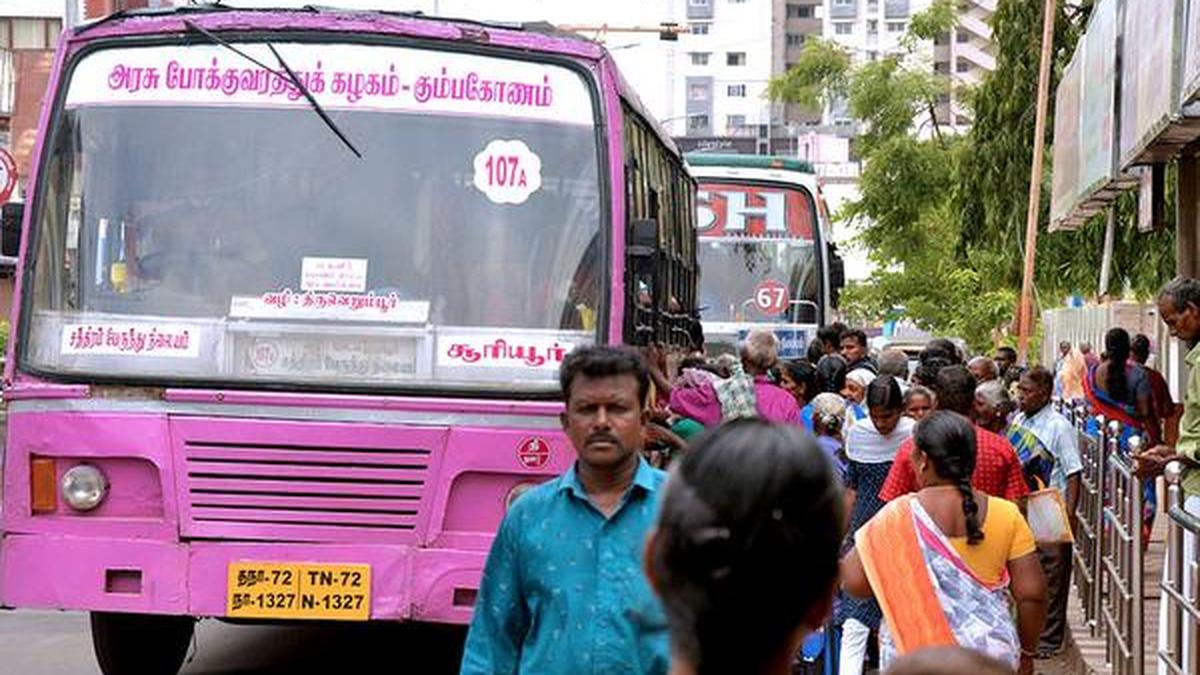
The Tamil Nadu government is finalizing a comprehensive White Paper detailing the current state of the provincial treasury and overall public finances. Following his recent inauguration, Chief Minister Vijay announced the forthcoming document to address concerns regarding the fiscal legacy of the preceding DMK administration. Official sources indicate the report will be published within days, aiming to provide transparency on the state's economic health. The initiative follows allegations of an 'empty treasury' and is expected to set the stage for the new administration's budgetary priorities and fiscal management strategy.
NMDC Steel Shares Surge 18% Following Turnaround to Profit in Q4
NMDC Steel shares witnessed a massive 18% jump, reaching a 52-week high after the company reported a return to profitability for the fourth quarter of FY26. The steelmaker posted a net profit of ₹391.91 crore, a significant improvement compared to the losses recorded in the same period last year. Along with profit, the company also saw substantial revenue growth, which has renewed investor interest and reinforced confidence in its operational recovery.
Rahul Gandhi Criticizes CBSE Fees for Examination Re-evaluation Process
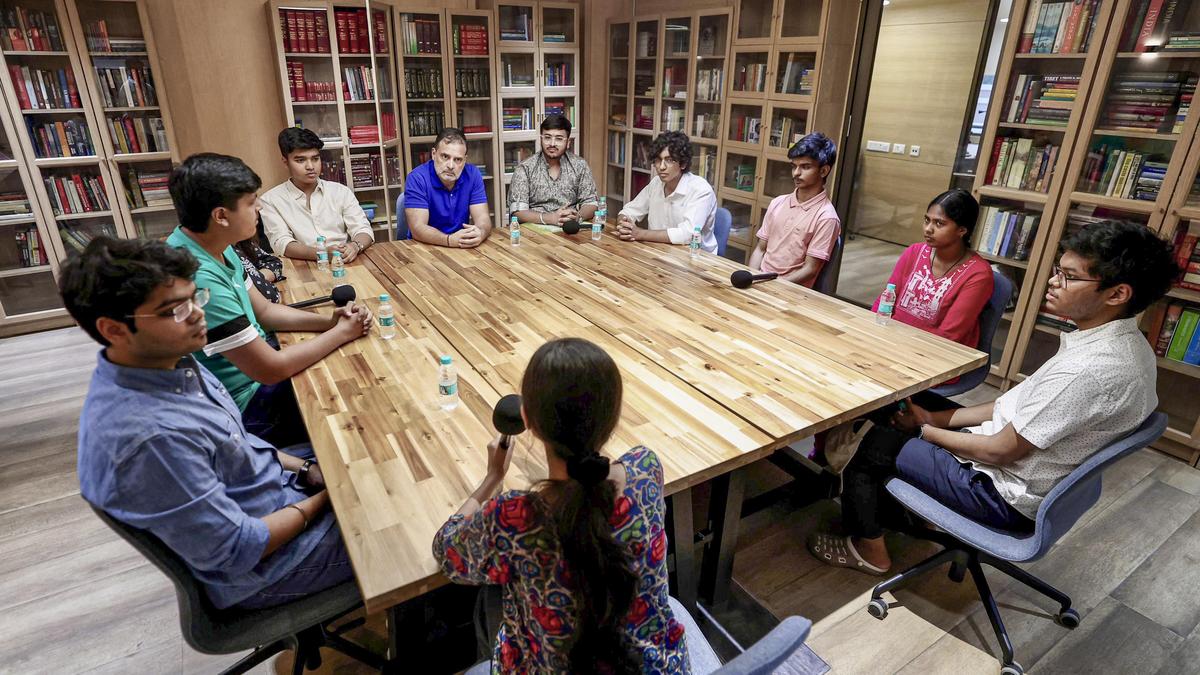
Congress leader Rahul Gandhi has criticized the central government and the Central Board of Secondary Education (CBSE) over the high costs associated with student answer sheet re-evaluations. Gandhi highlighted that students may be forced to pay up to ₹2,000 to ensure their exams are accurately graded, describing the charges as an unfair financial burden. He noted that with approximately four lakh students applying for re-evaluations, the process generates significant revenue for the board. Comparing the situation to pickpocketing, Gandhi urged for a more transparent and affordable academic assessment system to protect the interests of students and their families.
Textile Stocks Rally as Government Exempts Cotton Import Customs Duty
Shares of major textile companies, including Gokaldas Exports and KPR Mill, surged by up to 8% following a favorable government announcement. The Indian government has exempted cotton imports from customs duty for five months, effective from June 1 to October 30. This policy move aims to ensure better raw material availability and lower input costs for textile and apparel manufacturers. Small and medium enterprises are expected to benefit significantly from this cost reduction, driving the rally in the sector.