AIADMK Dissidents Decline New Leadership Roles Amid Internal Party Shifts

Internal divisions within the AIADMK have deepened as several prominent rebel members officially expressed their refusal to accept newly assigned positions within the party hierarchy. This development follows a period of organizational restructuring intended to unify the ranks; however, the dissenters maintain that their concerns regarding the current leadership structure remain unaddressed. The refusal highlights ongoing challenges for the Tamil Nadu-based party as it attempts to consolidate power and resolve factional disputes ahead of upcoming political cycles. Observers suggest that this public rejection of official roles underscores a significant break in the party’s internal cohesion.
This summary was generated by PolitGlobe's AI pipeline from publicly available reporting at The Hindu. For the full original article, visit the source below.
Read full article at The HinduRelated coverage

Vice Admiral K. Srinivas Receives Ati Vishisht Seva Medal From President
President Droupadi Murmu has formally conferred the Ati Vishisht Seva Medal (AVSM) upon Vice Admiral K. Srinivas in recognition of his distinguished service of an exceptional order to the Indian Navy. The ceremony, held at Rashtrapati Bhavan, highlights the officer's career contributions to national security and maritime operations. The AVSM is one of India's prestigious military decorations, typically awarded to personnel who demonstrate high-level devotion to duty. This recognition follows a career of notable leadership roles within the naval forces, reflecting the government's ongoing practice of honoring top-tier military excellence.
KSKTU Organizes Protests Against VB-G RAM G Scheme implementation
The Kerala State Karshaka Thozhilali Union (KSKTU), the agricultural workers' wing of the CPI(M), has launched a series of protests against the implementation of the VB-G RAM G scheme. Demonstrators argue that the scheme's current framework negatively impacts the rights and welfare of landless laborers and agricultural workers in the region. The protests aim to pressure the government into revising the policy to ensure better protection for the working class. This movement highlights growing tensions between grassroots labor organizations and state-level policy initiatives regarding land use and agricultural management in Kerala.
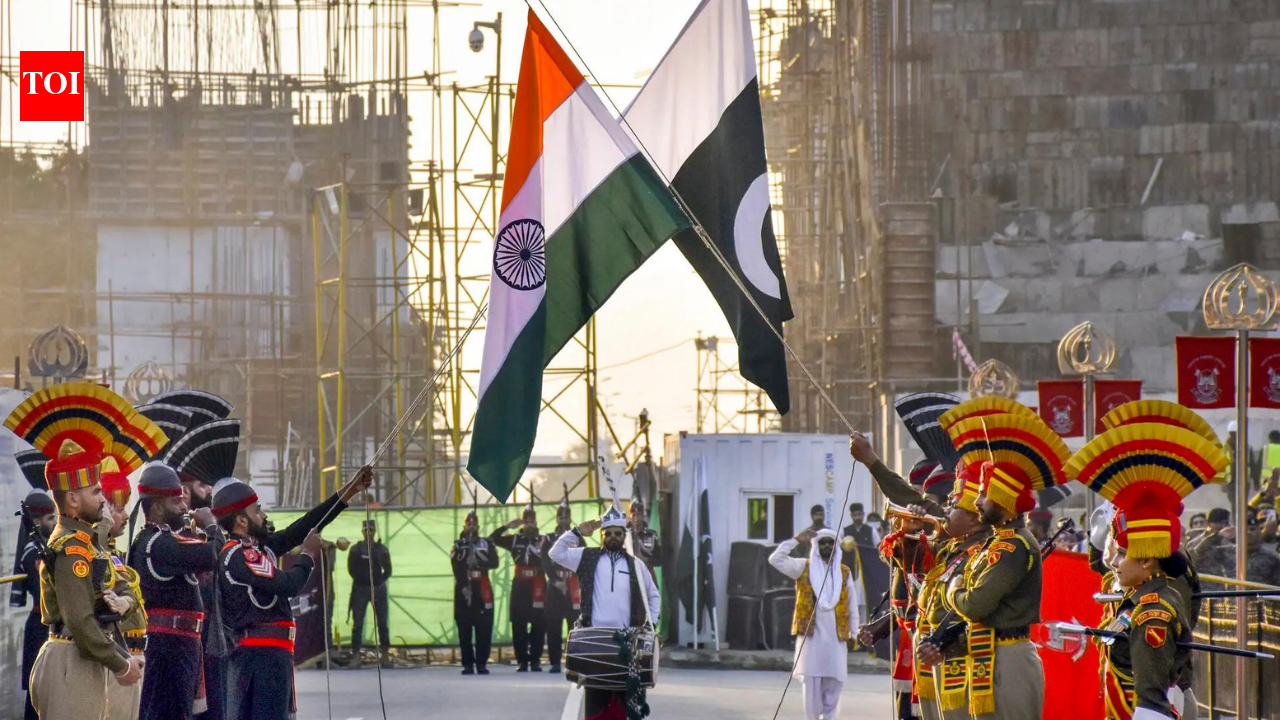
Prominent Activists Urge India and Pakistan to Restore Diplomatic Ties and Dialogue
Over 100 influential citizens from India and Pakistan have issued a joint appeal to Prime Ministers Narendra Modi and Shehbaz Sharif, calling for a return to bilateral dialogue. The open letter advocates for specific confidence-building measures, including the restoration of full diplomatic representation and the normalization of visa services for citizens. Signatories argue that persistent hostility between the neighboring nations negatively impacts the economic prosperity and security of their combined youth populations. The group emphasizes that shifting from confrontation to cooperation is essential for regional stability and the long-term well-being of both nations.
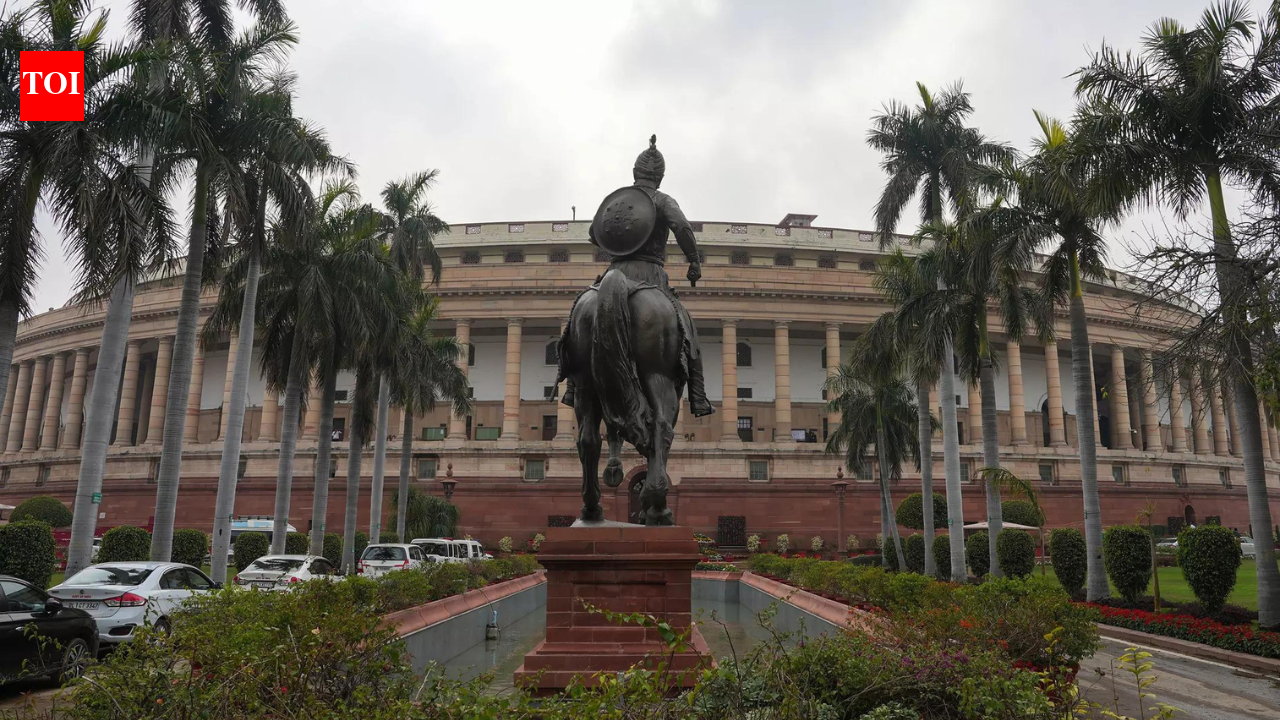
Indian Parliamentary Panel to Finalize Report on Landmark Anti-Corruption Bill
An Indian parliamentary committee is scheduled to adopt a report regarding a controversial anti-corruption bill on July 17. The proposed legislation includes a clause for the automatic removal of Prime Ministers or Chief Ministers if they remain in detention for more than 30 days due to serious criminal charges. While the government advocates for the bill as a tool for transparency and integrity, opposition members have raised concerns regarding potential political weaponization and the risk of destabilizing democratically elected governments. The committee is currently reviewing possible amendments to include safeguards against the arbitrary use of these removal powers.