Sebi Proposes Easier Cash Flow Rules for Road Sector InvITs

The Securities and Exchange Board of India (Sebi) has proposed relaxing the rules regarding Net Distributable Cash Flow (NDCF) for Infrastructure Investment Trusts (InvITs) in the road sector. The new proposal suggests allowing companies to add back major maintenance expenses funded by debt when calculating distributions. This move addresses a long-standing industry demand and aims to make project monetization more attractive. By easing these constraints, Sebi hopes to encourage more investment into the infrastructure sector through the InvIT route.
This summary was generated by PolitGlobe's AI pipeline from publicly available reporting at Economic Times. For the full original article, visit the source below.
Read full article at Economic TimesRelated coverage

Strengthening Strategic and Economic Ties Between India and an Aspirational Nepal
Nepal is currently moving toward a vision of modernization and economic growth, necessitating a recalibration of its relationship with India. As Nepal shifts from historical political uncertainty toward an aspirational future, both nations are exploring ways to enhance connectivity and mutual development. The article emphasizes that a rising India can play a pivotal role in Nepal's transformation by fostering infrastructure projects, energy cooperation, and trade agreements. By aligning their strategic goals, both countries seek to move past traditional diplomatic frameworks to build a partnership rooted in contemporary economic realities and shared regional stability.

Evolution of Indian Environmental Activism From Chipko to Appiko Movements
Following the landmark 1972 Stockholm Conference, India witnessed a significant surge in grassroots environmental activism. The iconic Chipko movement, characterized by non-violent resistance and tree-hugging protests, served as a foundational inspiration for subsequent ecological efforts across the country. One notable successor was the Appiko movement in Karnataka, which adapted these methods to protect southern forests from commercial exploitation. These movements played a crucial role in shaping India's environmental policies and raising public awareness regarding the vital link between forest conservation and the livelihoods of local communities. Today, they remain historical benchmarks for global sustainable development and ecological preservation.
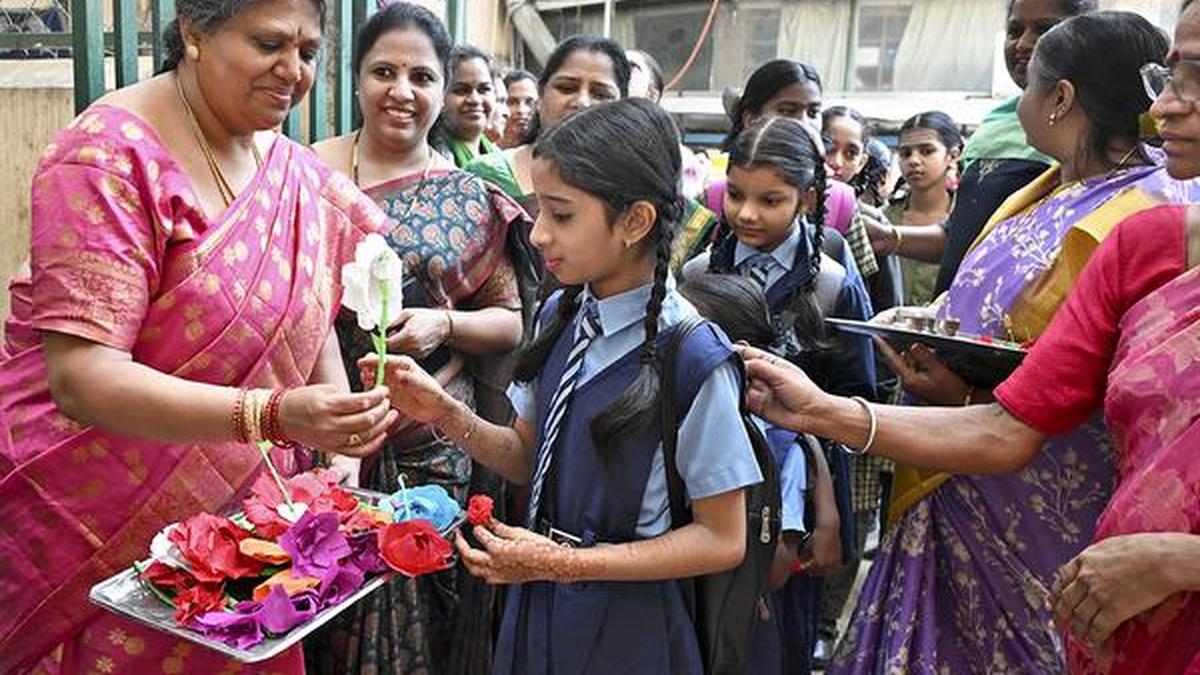
Indian Schools Reopen with Ceremonial Welcome for Students Across the Country
Educational institutions across India marked a festive return to classes on Monday, as schools organized elaborate welcome ceremonies for returning students. The celebrations featured floral decorations, traditional gestures, and a warm atmosphere aimed at encouraging student attendance and engagement. These events reflect local efforts to foster a positive learning environment as the academic session progresses. While primarily a local administrative initiative, the synchronized nature of the celebrations across various districts highlights a coordinated approach to student welfare and the prioritize of education recovery following previous disruptions.
Indian Oil Marketing Companies Face Losses Despite Recent Fuel Price Hikes
Indian state-run Oil Marketing Companies (OMCs) are currently facing significant financial pressure. Despite recent adjustments to retail fuel prices, these firms are still experiencing "under-recoveries," meaning they lose money on every litre of petrol and diesel sold. Analysts suggest that current price levels are insufficient to cover rising costs, making further price hikes likely. If prices are not adjusted upward, the profitability and book value of major players in the oil sector could be negatively impacted in the coming quarters.