Supreme Court Rulings Expand Presidential Authority Over Federal Agency Leaders

Recent U.S. Supreme Court decisions have significantly expanded presidential authority by ruling that the President has the power to fire leaders of independent federal agencies. This shift overturns long-standing precedents that previously protected certain agency heads from removal without cause. Legal scholars and political analysts are debating the implications for the separation of powers, with some arguing the move adheres to a strict interpretation of executive authority, while others express concern that it undermines the independence of federal regulators. The rulings represent a pivotal change in the administrative landscape, potentially granting the executive branch more direct control over various government functions.
This summary was generated by PolitGlobe's AI pipeline from publicly available reporting at Google News. For the full original article, visit the source below.
Read full article at Google NewsRelated coverage

E. Jean Carroll Seeks $5.8 Million in Damages from Donald Trump After Appeal Denied
Lawyers representing writer E. Jean Carroll have petitioned a federal court to expedite a payment of $5.8 million in damages from former President Donald Trump. This request follows the U.S. Supreme Court's decision to decline an appeal from Trump regarding a 2019 defamation finding. Carroll’s legal team argues that there is no longer a legal basis to delay the transfer of funds. Trump has faced multiple legal setbacks involving Carroll, including a separate $83.3 million jury award in a later case. The current demand focuses on resolving the long-standing financial obligations resulting from the initial civil litigation.

US Supreme Court Ruling Expansion of Influence for Wealthy Political Donors
The United States Supreme Court has issued a significant ruling that further deregulates campaign finance, granting wealthy donors and special interest groups greater influence over the political landscape. Critics of the decision argue that the move undermines democratic integrity by potentially inviting corruption and allowing private interests to overshadow public policy. Proponents of such rulings often cite free speech protections, but transparency advocates warn that the decision amplifies the voices of the elite at the expense of average voters. The ruling marks another shift in federal regulations regarding how money is raised and spent in American elections.

Two Russian Nationals Arrested After Scaling New York's Empire State Building
A Russian couple was taken into police custody in New York City after they illegally scaled the Empire State Building on Wednesday. The unauthorized ascent was reportedly part of an elaborate and dangerous marriage proposal. Local authorities arrived on the scene to secure the perimeter and apprehended the individuals shortly after they reached a significant height. While the stunt was intended as a romantic gesture, it resulted in charges related to reckless endangerment and trespassing. Both individuals remain in custody as local law enforcement processes the incident involving the iconic American landmark.
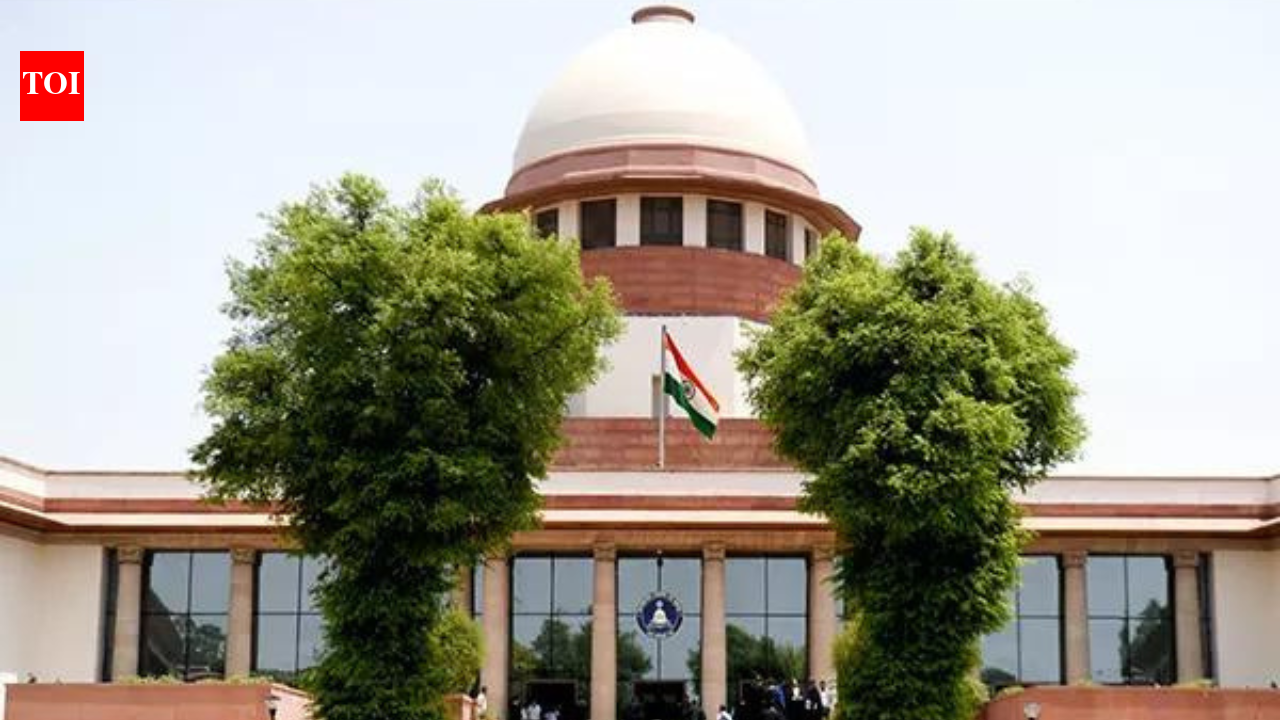
Supreme Court Rules No Default Bail for Delayed Chargesheet Copies in India
The Supreme Court of India has clarified the legal parameters regarding the right to default bail. Justices Sanjay Karol and N K Singh ruled that an accused person cannot claim default bail solely on the grounds that they were not provided with copies of the chargesheet within the statutory timeframe. The court emphasized that the right to default bail is strictly tied to whether the investigating agency filed the chargesheet within the mandatory 60 or 90-day period. As long as the document is submitted to the court on time, the failure to deliver copies to the accused does not trigger an automatic release.