Myanmar Military Transfers Former Leader Aung San Suu Kyi to House Arrest

Myanmar's military government has confirmed that former civilian leader Aung San Suu Kyi has been moved from prison to house arrest in the capital, Naypyidaw. The junta cited extreme heat and health concerns as the primary reasons for the relocation of the 78-year-old Nobel laureate. While the move marks a change in her detention conditions, she continues to serve a lengthy sentence following the 2021 military coup. International observers remain cautious, as the military has previously used similar transfers during periods of internal pressure, and calls for her unconditional release and the restoration of democracy in Myanmar continue globally.
This summary was generated by PolitGlobe's AI pipeline from publicly available reporting at Google News. For the full original article, visit the source below.
Read full article at Google NewsRelated coverage
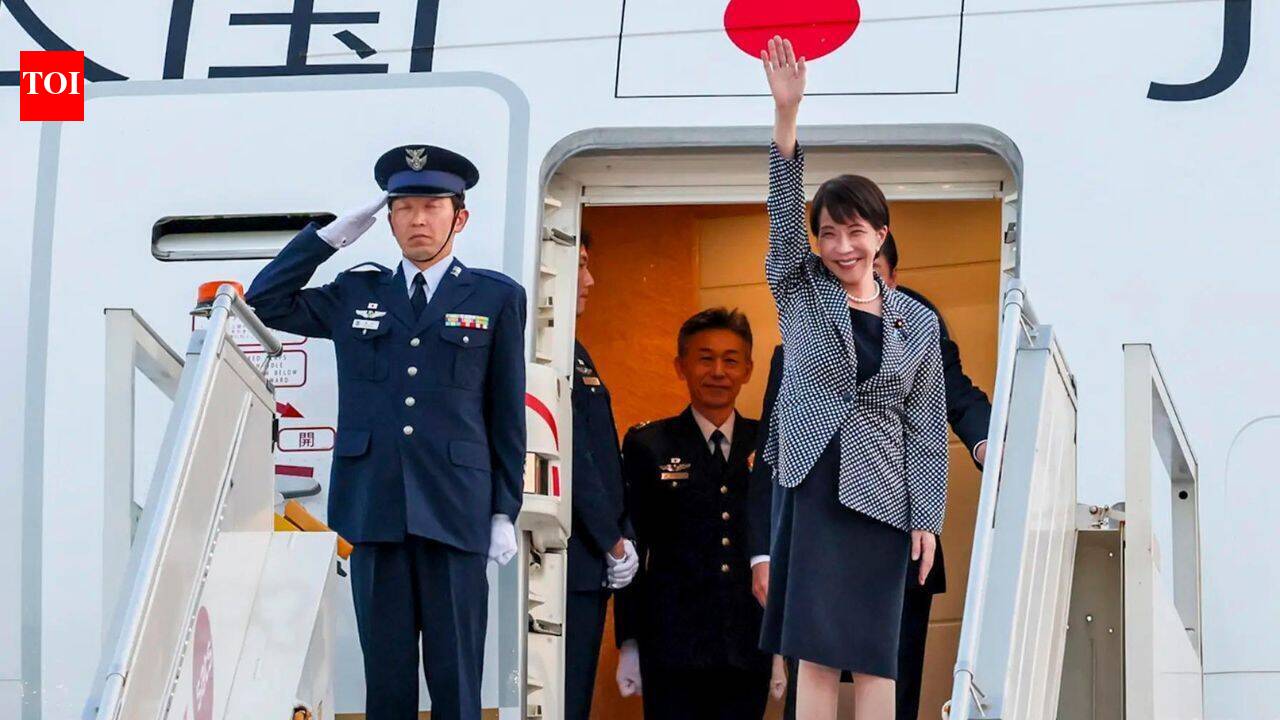
India and Japan Strengthen Strategic Ties During PM Takaichi's Visit
Japanese Prime Minister Sanae Takaichi has arrived in New Delhi for a three-day official visit to attend the 16th India-Japan Annual Summit. The high-level discussions are set to focus on enhancing economic security through resilient supply chains, specifically in the semiconductor and critical minerals sectors. Both leaders aim to deepen their Special Strategic and Global Partnership by exploring new avenues for defense cooperation, industrial innovation, and technological collaboration. This visit underscores the commitment of both nations to foster a stable and prosperous Indo-Pacific region amid shifting global geopolitical dynamics and economic challenges.

Fox News and Utah Senator Apologize for False Claims Linking Data Center Foes to China
Fox News and a Utah state senator have issued public apologies following the broadcast of unsubstantiated claims linking opponents of a new data center to the Chinese Communist Party. The controversy began when businessman Kevin O’Leary alleged on air that local opposition to the project was influenced by foreign actors. Investigations revealed no evidence to support these assertions, leading the network to retract the statements and the senator to admit he was misled. The incident has drawn criticism regarding the spread of misinformation and the ease with which foreign influence tropes are used to discredit local grassroots environmental and zoning activism.

Aid Workers Warn of Public Health Crisis in Post-Earthquake Venezuela
Humanitarian organizations in Venezuela are warning of a significant public health risk following recent seismic activity. Aid workers report that temporary shelters are experiencing extreme overcrowding, leading to fears of rapid disease transmission. The lack of reliable access to clean water and proper sanitation infrastructure further exacerbates the vulnerability of displaced populations. Concerns are focused on preventing outbreaks of waterborne illnesses as emergency responders struggle to meet basic needs in what are described as increasingly precarious conditions. The situation highlights the ongoing strain on the nation's infrastructure during environmental emergencies.

US and Iran Report Progress Following Indirect Talks on Communication Channel
Officials from the United States and Iran have reported positive developments following the conclusion of indirect negotiations. According to Tehran, both nations have agreed to establish a dedicated communication channel intended to report and discuss potential breaches of their Memorandum of Understanding. This diplomatic breakthrough aims to provide a structured mechanism for addressing grievances and maintaining stability. While direct engagement remains absent, the progress signifies a commitment to de-escalation and technical coordination between the two adversaries. The move is seen as a cautious step toward reducing friction through institutionalized reporting lines.