Computer-based NEET? Govt tells SC decision after Nilekani report
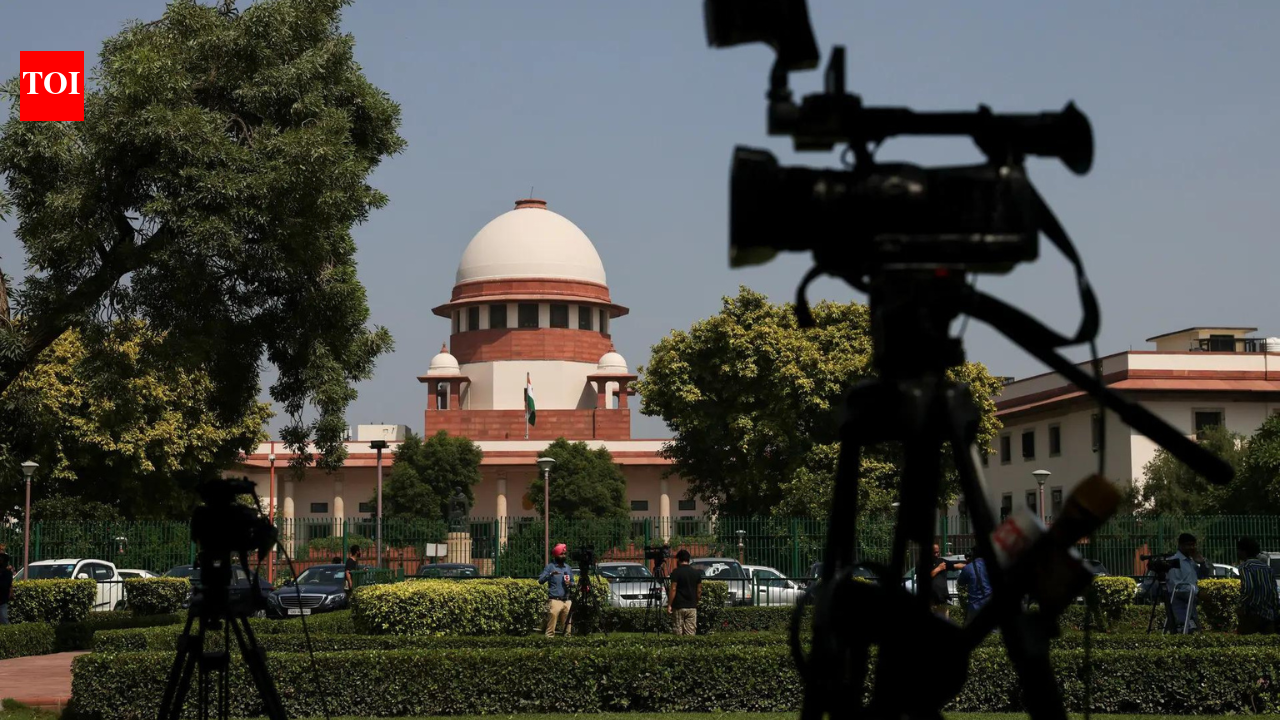
The government informed the Supreme Court about considering NEET's shift to computer-based testing. This decision awaits the Nandan Nilekani task force's report on public examination systems. Measures are being taken to make the exam more secure and prevent unfair means. The National Testing Agency has already moved seven major exams to computer-based formats. NEET (UG) currently remains the only major pen-and-paper examination conducted by the NTA.
This summary was generated by PolitGlobe's AI pipeline from publicly available reporting at Times of India. For the full original article, visit the source below.
Read full article at Times of IndiaRelated coverage
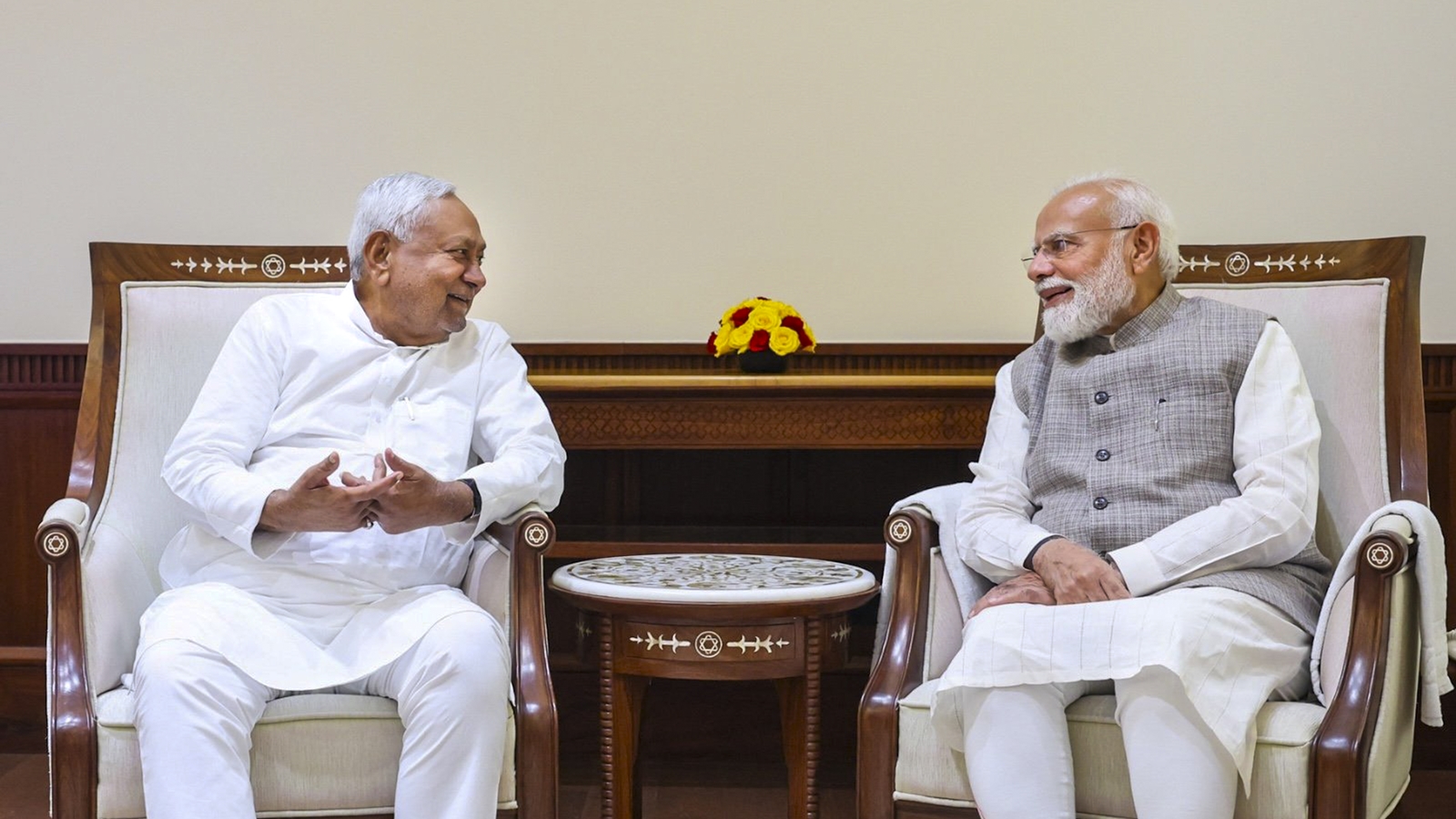
BJP begins stock-taking after Datia and Bankipur setbacks
BJP begins stock-taking after Datia and Bankipur setbacks

WA tests optional age verification pilot, says user privacy will be protected
To comply with the upcoming Digital Personal Data Protection Act, WhatsApp is piloting new privacy-focused age verification methods for Indian users. This initiative is completely voluntary, allowing users to choose their participation. With the new law's emphasis on stricter regulations for children's personal data, WhatsApp is taking care to safeguard user privacy during this important verification process.

Government to grill Meta brass on child abuse, AI content
In an important meeting scheduled for this week, government officials will confront Meta executives regarding pressing issues. The discussions will center around the presence of child sexual abuse material, the rise of AI-created content, and the measures in place for takedowns involving notable personalities. Compliance with local laws and the efficiency of Meta's content moderation efforts, particularly in monitoring synthetic content, are also poised to be key topics of concern.
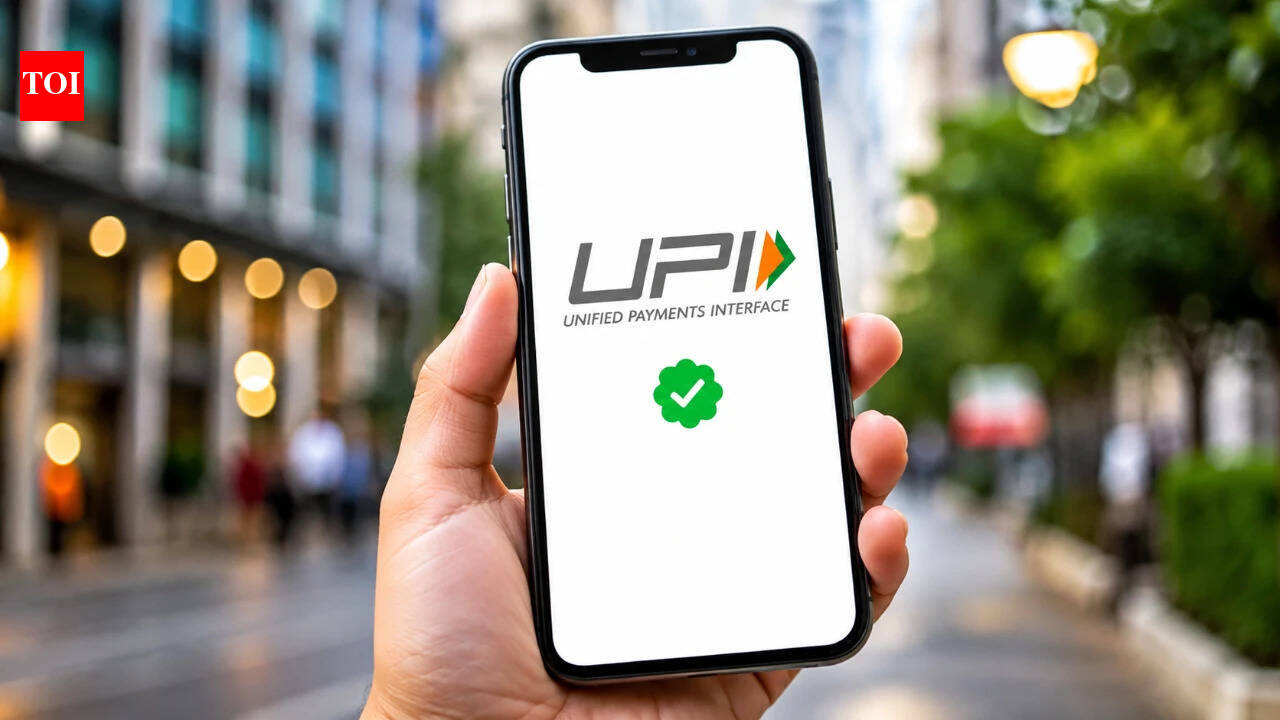
Government may allow fees on UPI payment above Rs 2k
The government may allow a small charge on UPI payments exceeding two thousand rupees. This levy would apply to transactions made to businesses and not individuals. Official estimates suggest this change will impact only five percent of all UPI transactions. Most daily purchases like groceries and taxi fares will remain unaffected by this potential fee. Industry experts anticipate a possible ceiling on the absolute amount charged for these transactions.