Declassified Emails Reveal UK Discussions Over Special Gift for Donald Trump

Newly released emails have detailed discussions between British officials regarding a potential diplomatic gift for former U.S. President Donald Trump. Correspondence reveals that UK officials considered presenting Trump with a custom 'red box,' a traditional symbol of British governance typically reserved for ministers and the monarch. The documents highlight the internal administrative efforts to manage diplomatic relations through symbolic gestures. Additional reports suggest that King Charles III sought advice on whether a senior royal should cancel a planned U.S. trip following political tensions between Trump and Ukrainian President Volodymyr Zelensky. These disclosures offer a glimpse into the complexities of transatlantic diplomacy during the Trump administration.
This summary was generated by PolitGlobe's AI pipeline from publicly available reporting at Google News. For the full original article, visit the source below.
Read full article at Google NewsRelated coverage

Activists Use 2026 World Cup Stadiums to Highlight Mexico’s Missing Persons Crisis
Human rights activists in Mexico have begun a campaign of "plastering" missing persons posters around major stadiums designated for the 2026 FIFA World Cup. The initiative aims to utilize the global spotlight on the upcoming tournament to draw international attention to Mexico’s ongoing disappearance crisis, where over 100,000 individuals remain missing. By placing these reminders in high-visibility areas, activists hope to pressure the government into taking more decisive action and to inform visiting fans about the country's security challenges. The campaign underscores the intersection of major sporting events and local social justice issues, highlighting the human rights concerns that persist behind the scenes.
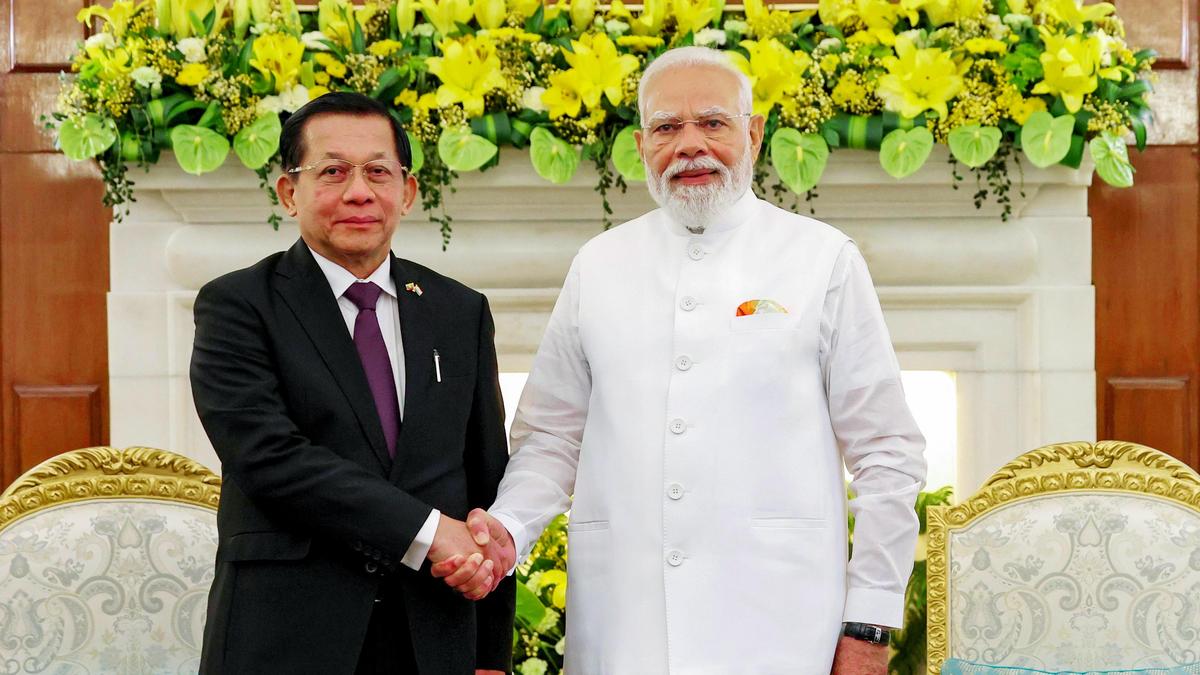
Myanmar Pledges to Prevent Anti-India Activities on its Territory
Myanmar’s President Min Aung Hlaing has assured India that its territory will not be used by elements hostile to Indian interests. This statement came during bilateral discussions that spanned security, training, and infrastructure. India has agreed to provide training for Myanmar’s military for United Nations peacekeeping missions. The talks also covered crucial regional infrastructure projects, including the Kaladan Multimodal Transit Transport Project and the Moreh-Mae Tsot highway connecting India to Thailand. Additionally, the leaders discussed the ongoing detention of former leader Aung San Suu Kyi, highlighting the complex diplomatic balance between security cooperation and democratic concerns.
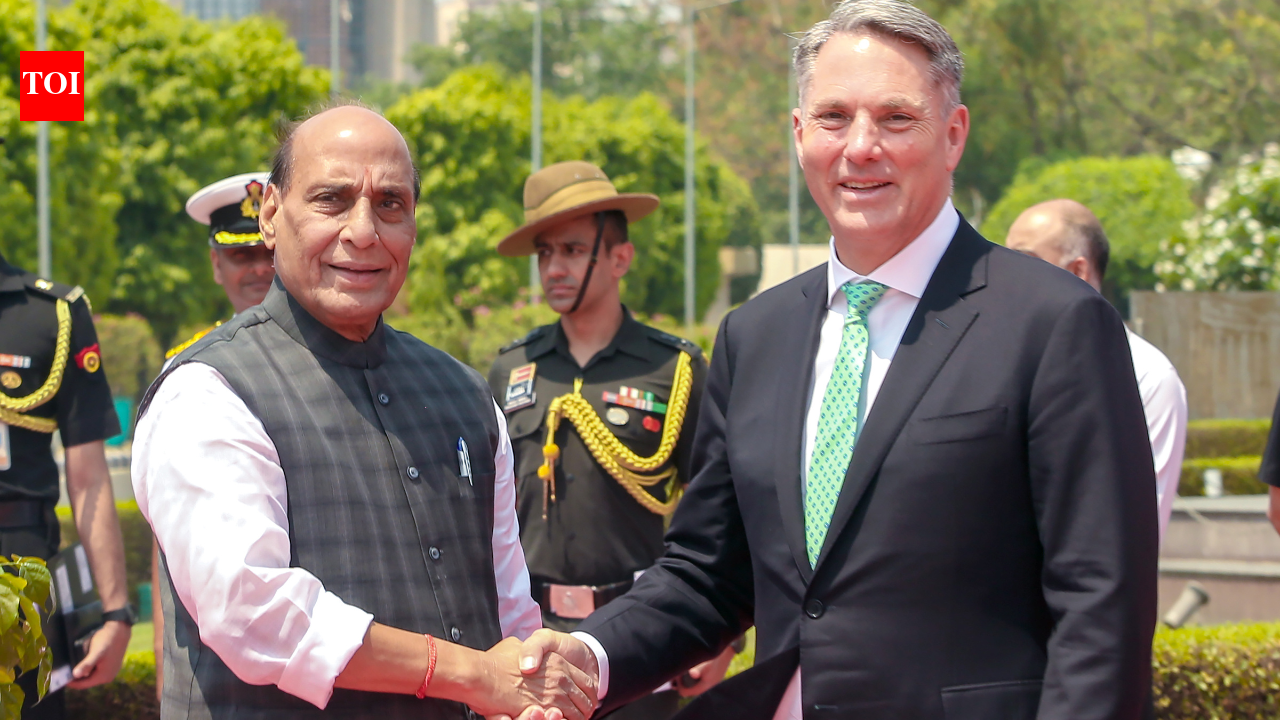
India and Australia Finalize Roadmap for Joint Maritime Security Collaboration
Indian Defence Minister Rajnath Singh and his Australian counterpart held high-level talks in Delhi to strengthen bilateral defense ties. Both leaders underscored the critical importance of maritime freedom and the security of global supply chains in the Indo-Pacific region. A key outcome of the meeting was the progress made toward finalizing a Joint Maritime Security Collaboration Roadmap. This strategic framework aims to enhance operational cooperation and information sharing between the two navies. The discussions reflect a growing alignment between New Delhi and Canberra as they navigate shared security challenges and strive for a stable regional maritime environment.

Balen Shah Remarks Spark Debate Over India-Nepal Border Dispositions
Kathmandu Mayor Balen Shah has reignited public discourse on the long-standing India-Nepal border dispute with provocative comments regarding territorial encroachment. These remarks touch upon historical grievances concerning territories such as Kalapani, Lipulekh, and Limpiyadhura, which both nations claim. The dispute has roots in differing interpretations of the 1816 Treaty of Sugauli. Shah's statements reflect a growing nationalist sentiment in Nepal that scrutinizes bilateral border management. The situation highlights the sensitive nature of sovereignty in the Himalayas and the challenges both governments face in resolving demarcations without escalating diplomatic tensions or affecting the historically close ties between the two neighbors.