Iran Suspends Diplomatic Talks Following Israel Offensive Expansion in Lebanon

Iran has officially suspended ongoing diplomatic negotiations as Israel expands its military operations within Lebanese territory. The decision marks a significant escalation in regional tensions, complicating international efforts to secure a ceasefire. While global attention focuses on the ground push by Israeli forces, the suspension of dialogue suggests a hardening of positions between Tehran and Tel Aviv. The shift comes at a critical time when domestic Indian updates, including West Bengal cabinet changes and North-East security issues, are also dominating the geopolitical landscape, reflecting a period of high volatility across both domestic and international fronts.
This summary was generated by PolitGlobe's AI pipeline from publicly available reporting at The Hindu. For the full original article, visit the source below.
Read full article at The HinduRelated coverage
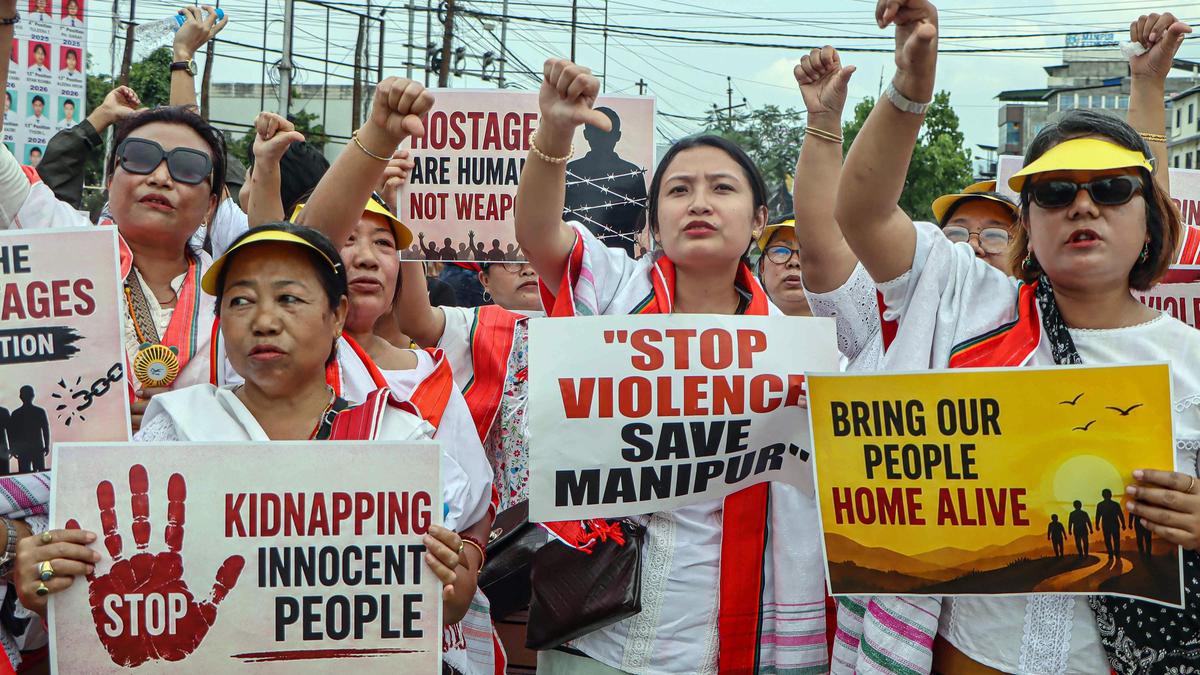
Manipur Hostage Release Canceled for 14 Abducted Kukis Following Protests
The planned release of 14 abducted members of the Kuki-Zo community in Manipur was canceled following widespread protests. The United Naga Council (UNC) had previously announced that the hostages would be released at 2 p.m. on June 1, 2026. However, escalating tensions and demonstrations in the region forced a reversal of this decision. The situation remains fluid as authorities and community leaders navigate the complex ethnic dynamics and security challenges currently affecting the state. The cancellation highlights the ongoing instability and the difficulties in negotiating peace or prisoner exchanges amidst active civil unrest.

Iran Warns Israeli Operations in Lebanon and Gaza Could Jeopardize Ceasefire Talks
Iranian officials have issued a formal warning stating that continued Israeli military actions in Lebanon and the Gaza Strip are threatening the progress of United States-led ceasefire negotiations. As Israel intensifies its ground operations in Lebanon and issues threats regarding the bombing of Beirut, Tehran has called for a comprehensive ceasefire across all active fronts. The escalating violence has raised concerns among international observers about a broader regional conflict. Iran’s position emphasizes that a diplomatic resolution is becoming increasingly difficult to achieve while military escalations continue to expand in scope and intensity across the Middle East.

Indian PM Modi Faces Criticism for Meeting with Myanmar Military Leader
Prime Minister Narendra Modi’s meeting with Myanmar’s military government leader, Min Aung Hlaing, has drawn significant criticism from Myanmar's opposition groups and international observers. The meeting in New Delhi focused on strategic cooperation, yet critics argue that hosting the General lends legitimacy to a regime accused of human rights violations. The Indian government has maintained a pragmatic stance, asserting that dialogue and engagement are the most effective means to ensure regional stability and address border security issues. This diplomatic encounter highlights India's complex balancing act between democratic values and strategic geopolitical interests in Southeast Asia.

Sudan Conflict Triggers Critical Insulin Shortages and Medicine Smuggling
The ongoing war in Sudan has severely disrupted the nation’s medical supply chains, leading to a critical shortage of life-saving drugs like insulin. With local production facilities destroyed or shuttered due to the conflict, patients are increasingly forced to turn to the black market. However, smuggled medicines often lack proper temperature control, rendering them ineffective or dangerous. The collapse of the formal healthcare infrastructure has created a desperate situation for thousands of Sudanese citizens living with chronic conditions, as the combination of high prices for illicit drugs and the lack of reliable refrigeration threatens lives.