Kerala Vows to Protect University Autonomy and Resist Education Communalisation

Kerala’s Higher Education Minister Roji M. John has announced that the state will strictly oppose any attempts to communalize the education sector while maintaining the independence of universities. The Minister confirmed that the Higher Education Department is set to conduct a thorough review of the newly implemented Four-Year Undergraduate Programme (FYUP). This assessment aims to identify and rectify practical challenges faced by students and academic institutions since the program's inception. The government intends to introduce necessary reforms to ensure the curriculum serves the best interests of the student body while safeguarding secular academic values.
This summary was generated by PolitGlobe's AI pipeline from publicly available reporting at The Hindu. For the full original article, visit the source below.
Read full article at The HinduRelated coverage

TMC Leader Mahua Moitra Faces Protests and Egg Attack in West Bengal district
Trinamool Congress (TMC) leader Mahua Moitra was targeted by protesters in the Nadia district of West Bengal. The incident occurred while Moitra was attending a party meeting at the residence of MLA Alifa Ahmed in Palashi. A group of demonstrators gathered outside the venue, chanting "go back" slogans and allegedly hurling eggs at the leader. The confrontation highlights the volatile political climate in the region as local leaders engage in grassroots mobilization. Moitra has blamed supporters of the Bharatiya Janata Party (BJP) for orchestrating the disruption, though further investigations into the incident are ongoing.

Union Cabinet Approves 6-Lane Tunnel Connecting Dwarka Expressway and Vasant Kunj
The Union Cabinet has officially sanctioned the construction of an 8.1-km, six-lane road tunnel designed to link the Dwarka Expressway with Vasant Kunj in Delhi. Part of the NH-148AE project, the tunnel will be developed using the Hybrid Annuity Mode (HAM), a model designed to share financial risks between the government and private developers. The project aims to significantly reduce travel time and alleviate traffic congestion in the National Capital Region. Officials expect the construction to be completed within a five-year timeframe, marking a major expansion of the city's urban transport infrastructure.

Three Arrested for Attempting to Bribe Tamil Nadu MLA During Speaker No-Confidence Vote
Police have arrested three men in connection with an attempt to bribe a Tamilaga Vettri Kazhagam (TVK) MLA during a no-confidence motion against the Tamil Nadu Assembly Speaker. The investigation revealed that the accused individuals allegedly sought to influence the vote through illicit financial offers. Investigators have also noted a meeting between one of the accused, identified as Naresh, and V. Ashok Kumar, the brother of former DMK Minister V. Senthilbalaji. The case underscores concerns regarding political integrity and horse-trading within the state legislature as authorities continue to probe the extent of the conspiracy.
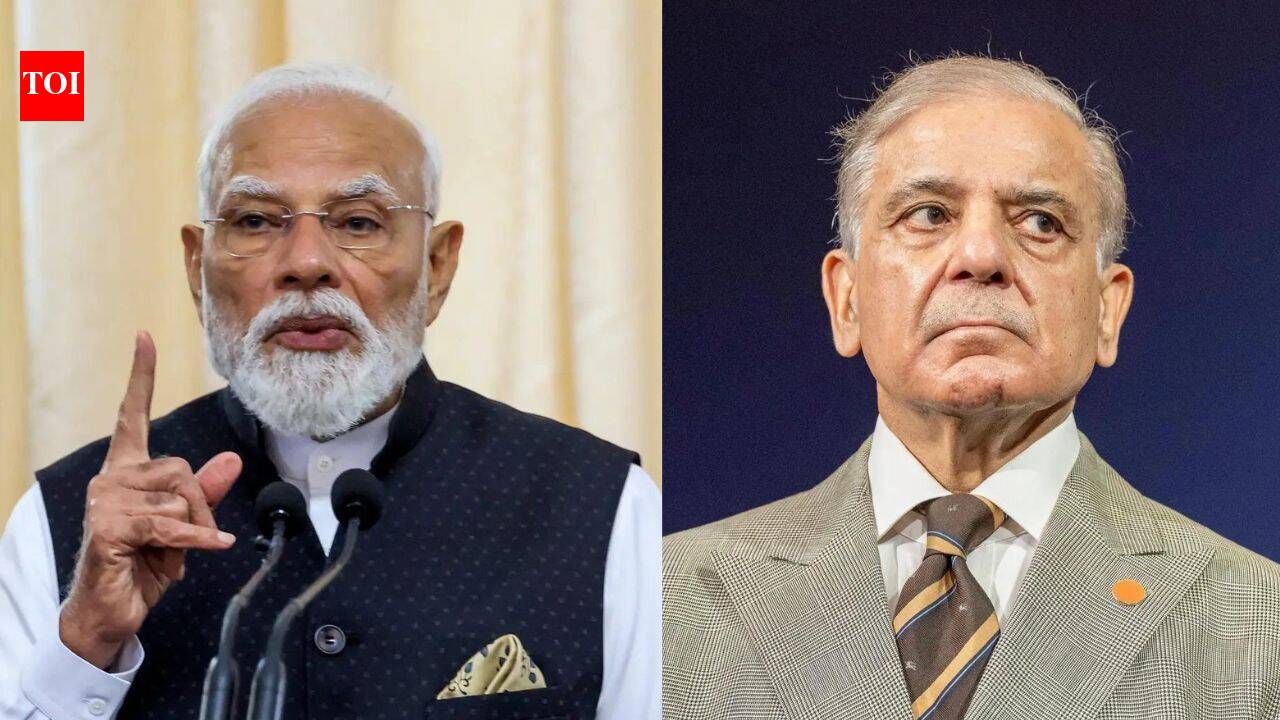
Eminent Figures from India and Pakistan Urge Revival of Official Peace Dialogue
Over 100 prominent citizens from India and Pakistan have issued a joint appeal to Prime Ministers Narendra Modi and Shehbaz Sharif, advocating for the resumption of bilateral talks. The signatories include former intelligence chiefs, retired diplomats, and political figures such as A.S. Dulat and Khurshid Mahmud Kasuri. The group emphasizes that renewed engagement is essential for regional stability and addressing long-standing disputes. By leveraging civil society influence, the petitioners hope to break the diplomatic deadlock that has characterized the relationship between the two nuclear-armed neighbors in recent years.